- by 46 Tattoo
What Happens During a Tattoo Consultation
- by 46 Tattoo
Complete walkthrough of the tattoo consultation process: what to expect, what to bring, questions to ask, and how to prepare.

If you've never had a tattoo consultation, the process might feel mysterious. What actually happens? What should you bring? Understanding the consultation removes uncertainty and helps you get the most from the conversation.
Consultations are conversations, not commitments. They typically run 15-45 minutes depending on project complexity and are usually free for custom work. You're exploring whether this artist is the right fit for your vision.
Come prepared with these essentials:
You don't need a finalized design, exact specifications, or complete certainty. That's what the consultation is for.
You'll start with introductions and typically a brief studio tour. Pay attention to cleanliness, the artist's communication style, and whether the environment feels comfortable. These impressions matter because you'll be spending significant time here if you move forward.
The core conversation covers your vision. You'll discuss what you want: subject matter, style preferences, and any personal meaning. You'll share references and talk through what resonates. Placement and size come up naturally. The artist offers their interpretation and provides honest feedback about what works technically.
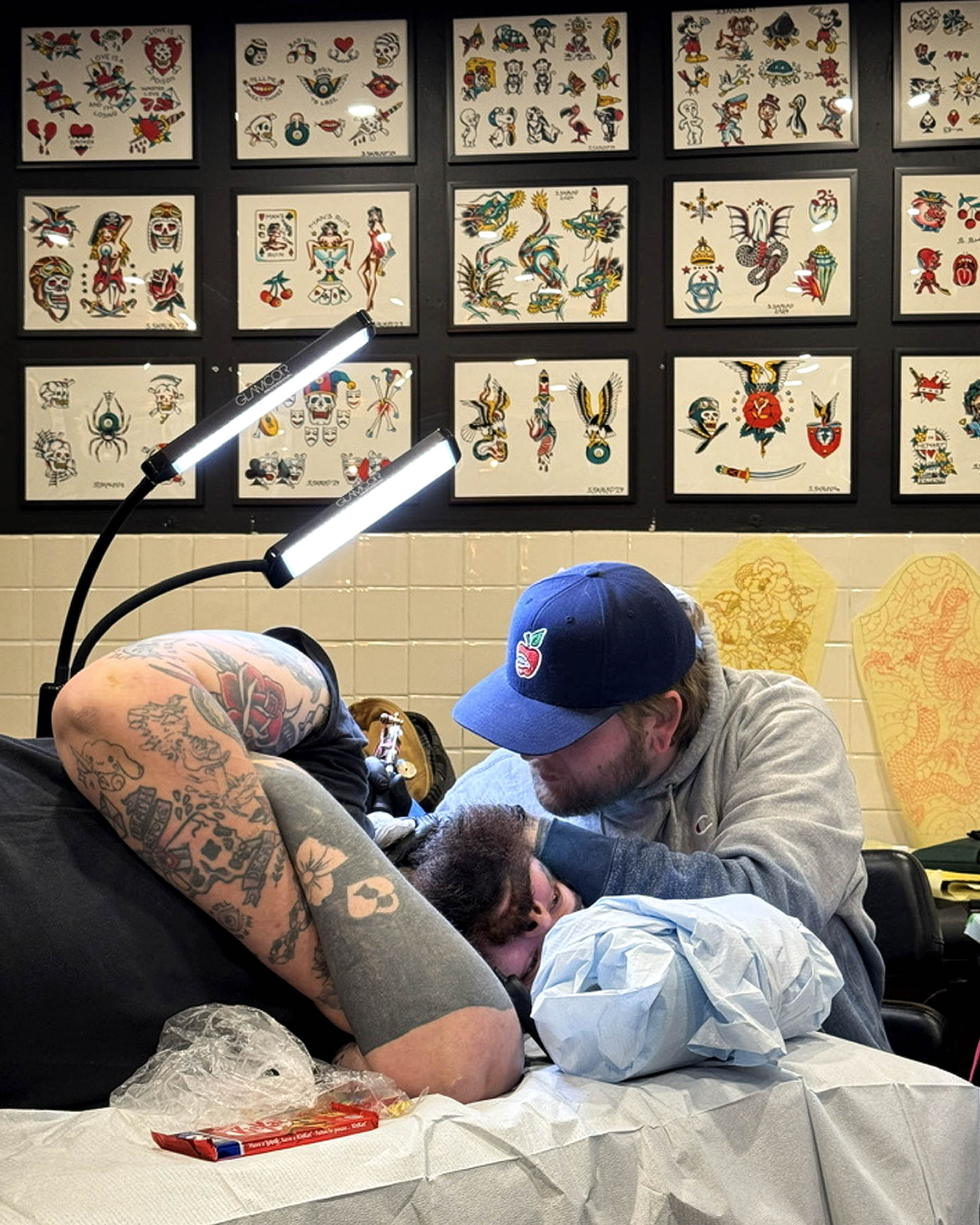
For uncertain placements, the artist may want to look at the actual area on your body. They'll discuss how designs flow with your anatomy, show examples of similar placements, and explain considerations like aging and visibility.
The artist will explain their rate structure and give you an estimated cost range. You'll learn whether they charge hourly, by day rate, or by project. They'll estimate sessions needed and explain what's included (design time, touch-ups). At 46 Tattoo, deposits are $100 and apply toward your final cost.
Pricing is usually a range until the design is finalized, and that's normal. The artist can't quote exact costs without completing the design, but they can give realistic expectations based on similar projects.
You're never obligated to book immediately. Quality studios encourage you to think it over, compare with other consultations if you want, and follow up when ready. The consultation should feel like a conversation with a knowledgeable guide, not a sales pitch.
If you feel rushed, pressured to commit, or guilty about consulting other artists, those are red flags. Toronto has hundreds of excellent artists. Anyone creating urgency probably fears comparison.