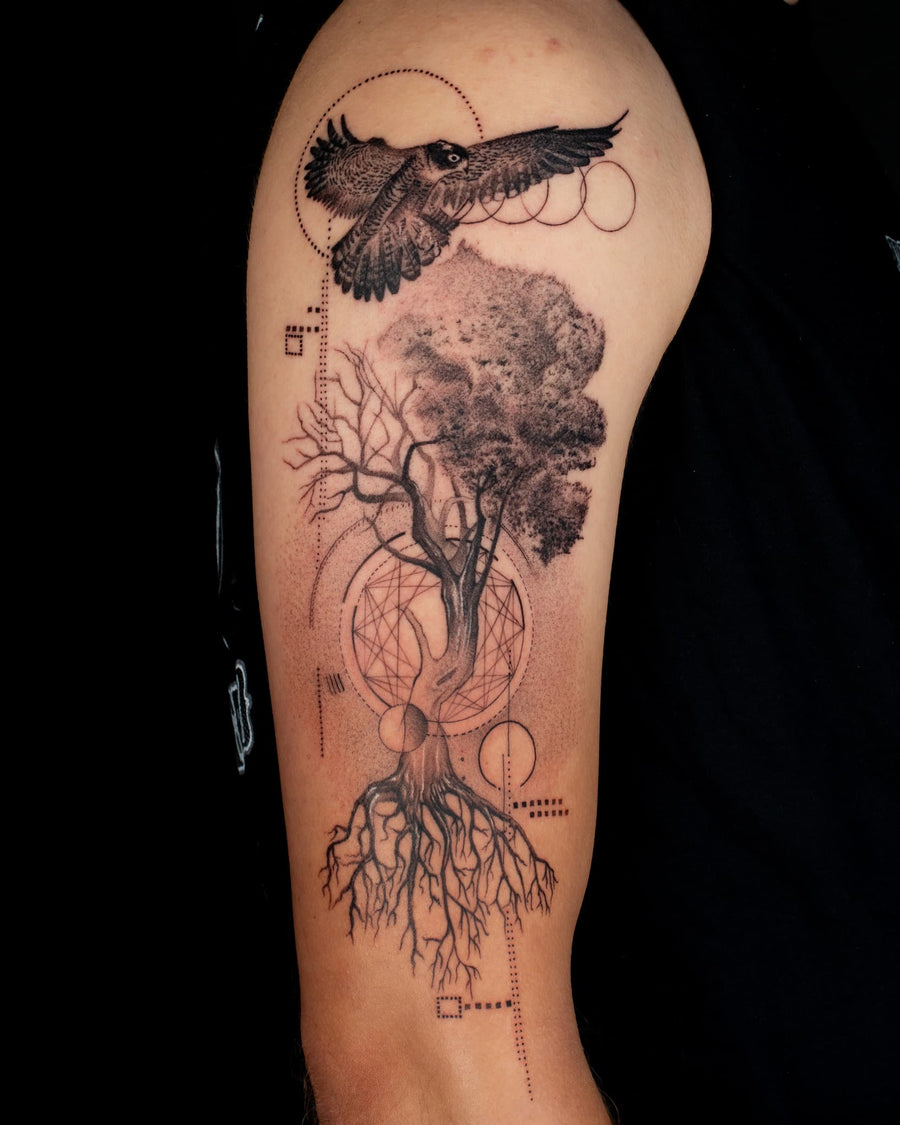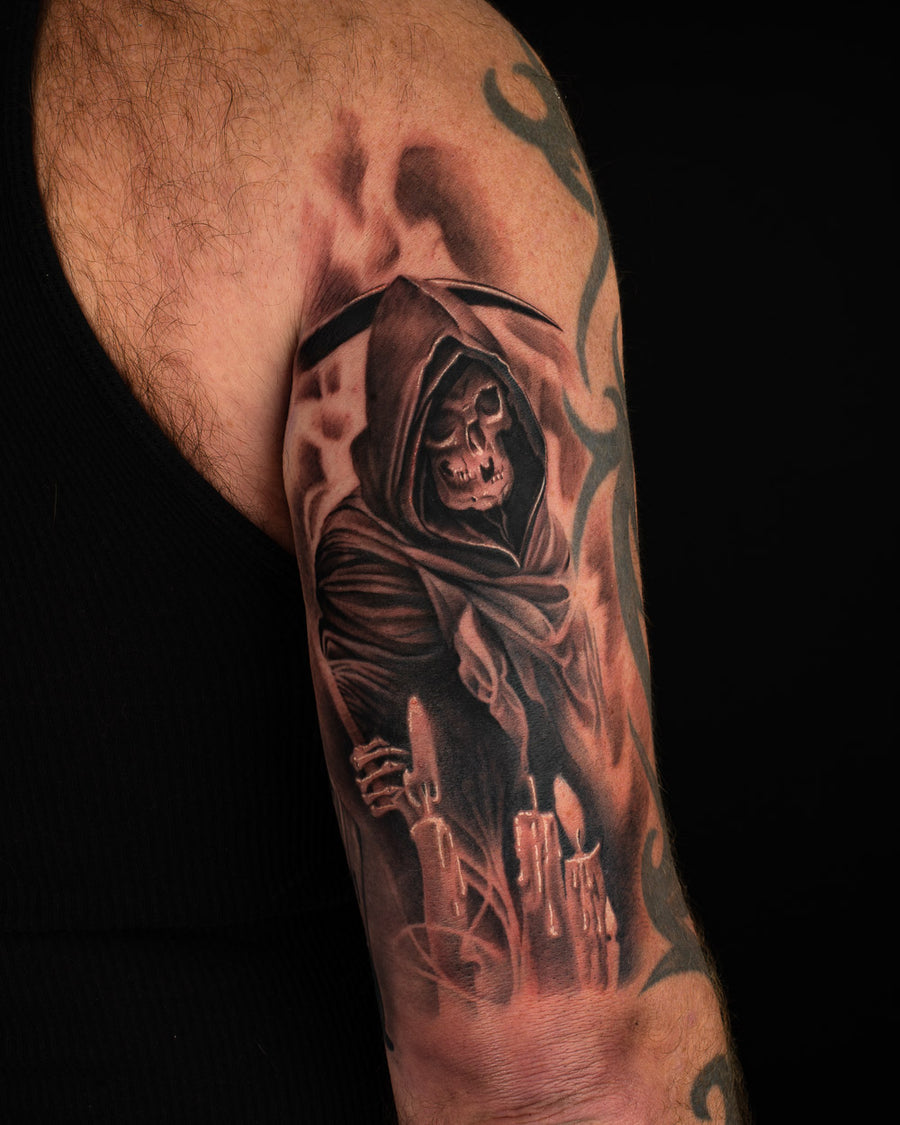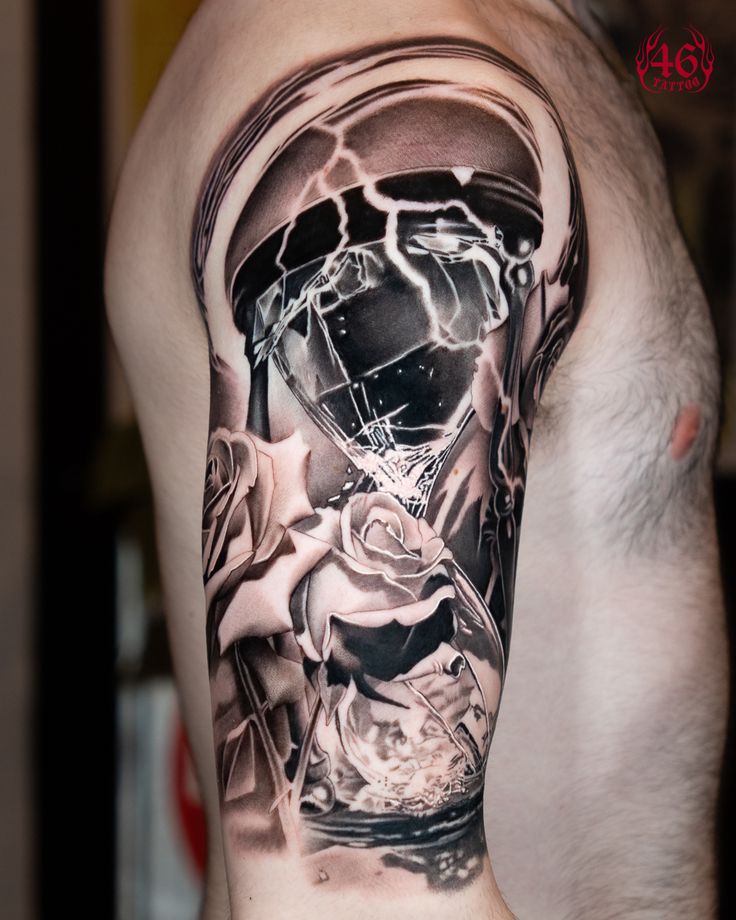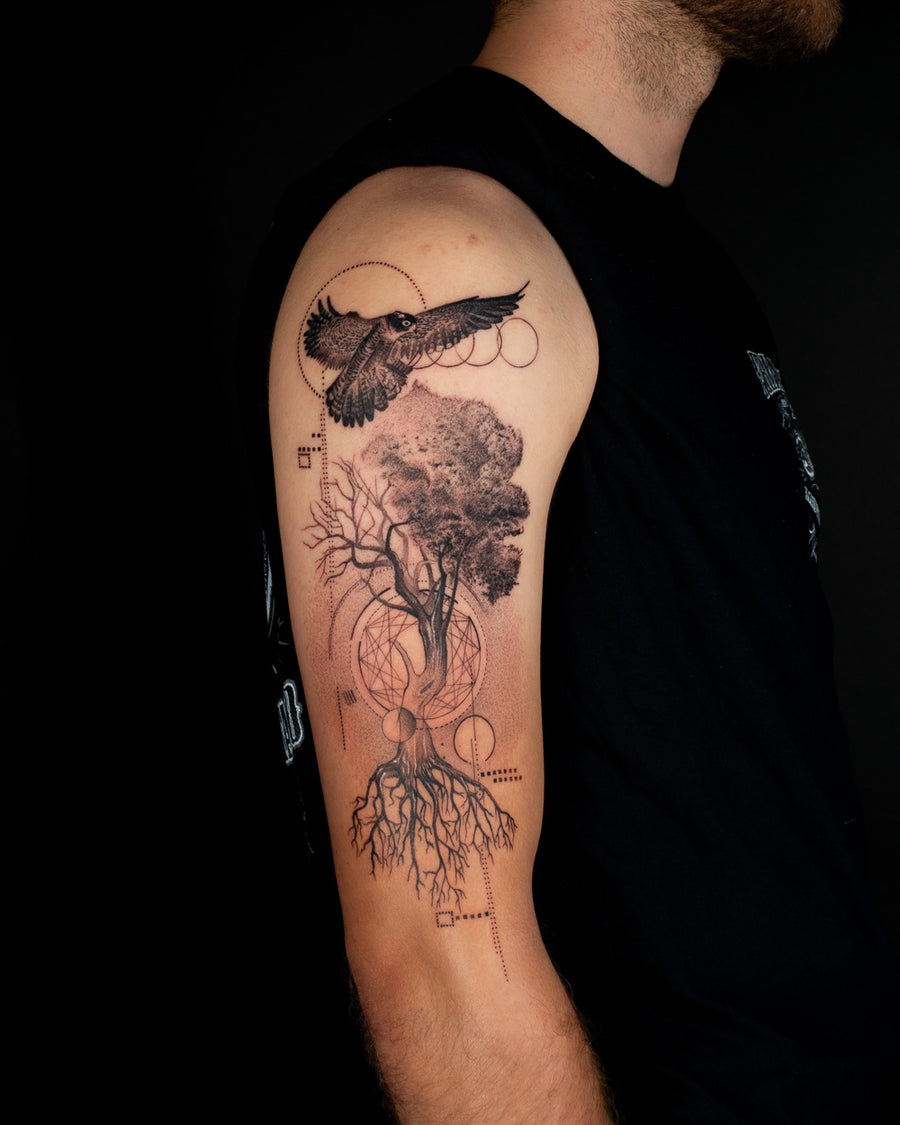
Survival tattoo reference 1
Survival tattoo reference 2
Survival tattoo reference 3

Resilience Through Adversity

Survival Tattoos

Symbols of resilience, recovery, and the strength to overcome.

TATTOO MEANING

What Survival Tattoos Represent

You made it through something most people never understand. Survival tattoos mark that journey, not as a badge of trauma, but as proof of resilience. Whether commemorating recovery from illness, honoring a mental health journey, or simply reminding yourself that you kept going when stopping seemed easier, these tattoos transform invisible struggles into visible strength. This guide explores survival tattoo symbolism, design options, and how to choose imagery that honors your story.
Survival
HISTORY & SYMBOLISM

The Origin of Survival Tattoos

Survival tattoos emerged from personal recovery traditions where marking the body became a way to reclaim it. Cancer survivors began using ribbon symbols in the 1990s, with pink ribbons becoming widespread for breast cancer awareness. The semicolon movement, founded by Amy Bleuel through Project Semicolon in 2013, transformed punctuation into a powerful mental health symbol. The meaning draws from grammar: a semicolon represents where an author could have ended a sentence but chose to continue. The author is you. The sentence is your life.

Military traditions added another layer, with service members marking survival of combat, captivity, or extreme conditions through symbolic ink. Recovery communities adopted similar practices, using dates, symbols, and imagery to mark sobriety milestones or freedom from addiction. Today, survival tattoos represent ongoing resilience rather than a finished story. They acknowledge that survival is active, that strength builds through adversity, and that marking these journeys honors both the struggle and the person who endured it.
Survival
MODERN SIGNIFICANCE

What Survival Tattoos Mean Today

People choose survival tattoos to mark recovery milestones, honor mental health journeys, or create permanent reminders of their capacity to endure. These designs resonate with those who understand that survival is not a single moment but a daily practice. They transform invisible struggles into visible statements of strength, serving as personal touchstones during difficult moments and public acknowledgments of private battles won.

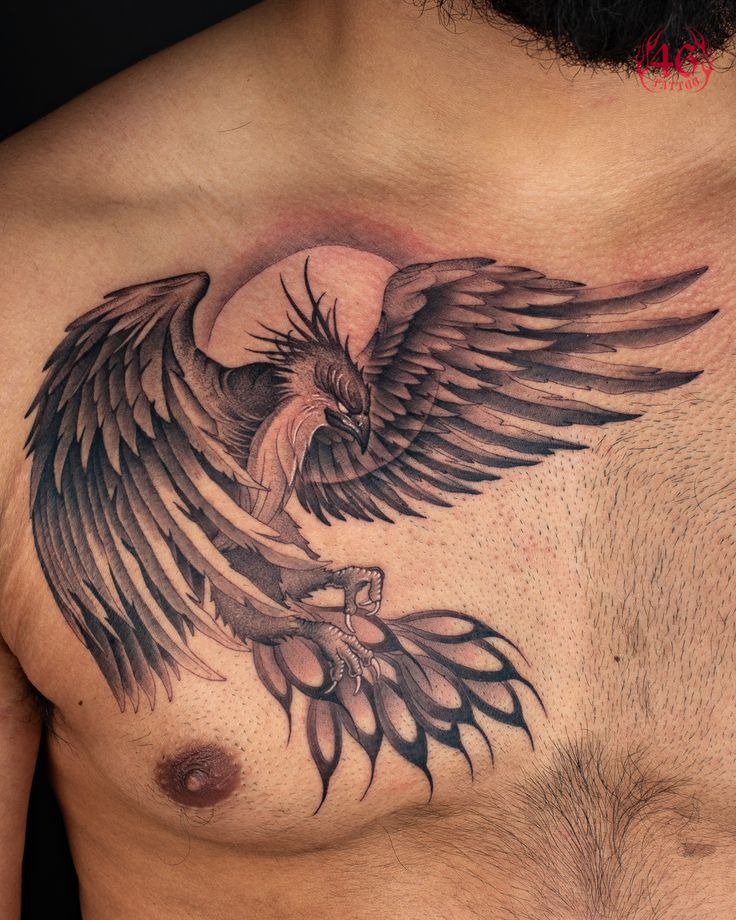
Aesthetically, survival tattoos range from minimalist symbols to detailed compositions. Semicolons mark mental health survival with simple elegance. Cancer ribbons honor recovery with specific color meanings. Phoenixes represent rebirth through destruction. ECG lines celebrate heart health. The best survival tattoos balance personal significance with designs that feel right years later, avoiding imagery that defines you solely by what you survived rather than who you became.
Survival
Survival Tattoo FAQ

Common Questions About Survival Tattoos

What does a semicolon tattoo mean?

A semicolon tattoo represents mental health survival and suicide prevention. The symbolism comes from grammar: a semicolon marks where an author could have ended a sentence but chose to continue. In this context, you are the author and your life is the sentence. Project Semicolon popularized this meaning starting in 2013.

What are the most popular survival tattoo designs?

Common survival designs include semicolons for mental health, cancer ribbons in condition-specific colors, ECG heartbeat lines for cardiac survival, phoenixes for rebirth, and dates marking recovery milestones. Many people combine symbols with quotes, names, or additional imagery that personalizes the meaning.

Where should I place a survival tattoo?

Wrists and forearms are popular because they keep survival symbols visible as daily reminders during difficult moments. Some people prefer more private placements like the chest or ribs. Consider whether you want the tattoo to serve as a personal touchstone or a conversation starter with others.

Can I add personal elements to a survival tattoo?

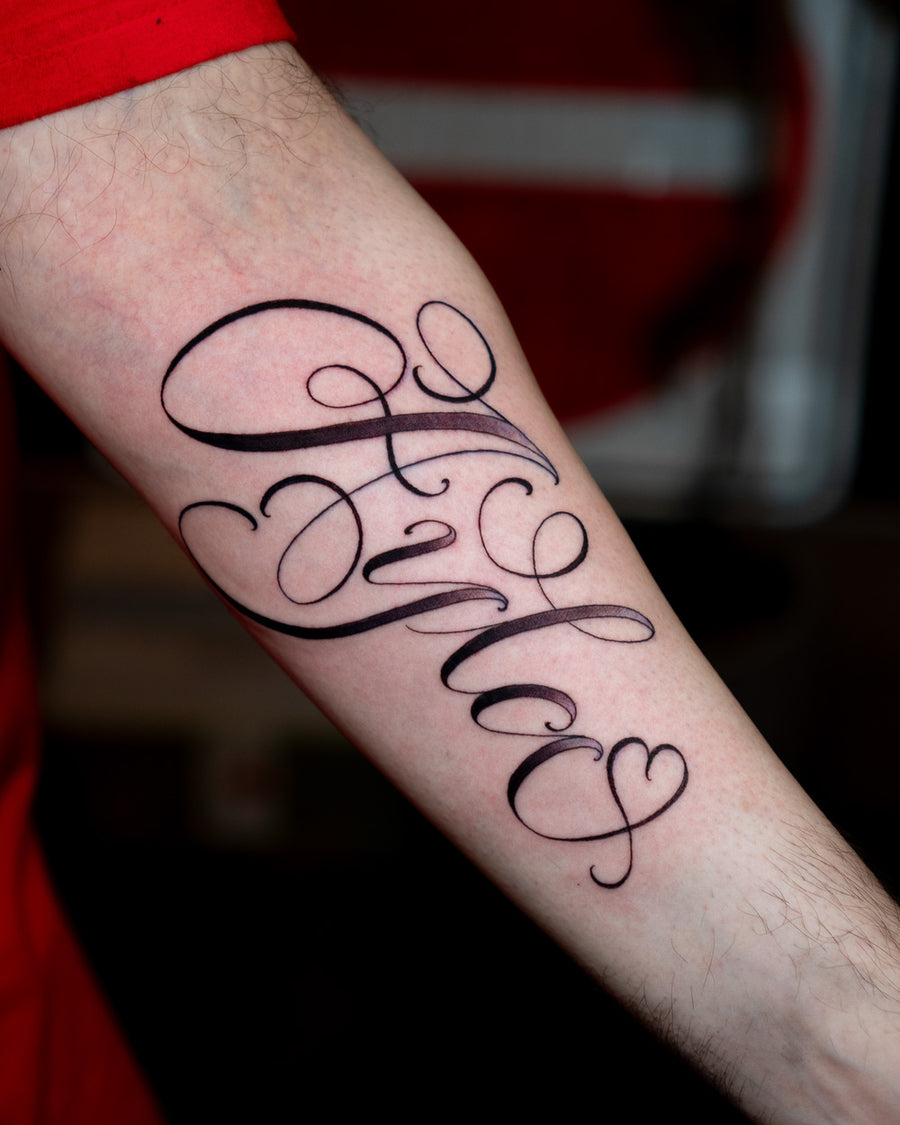
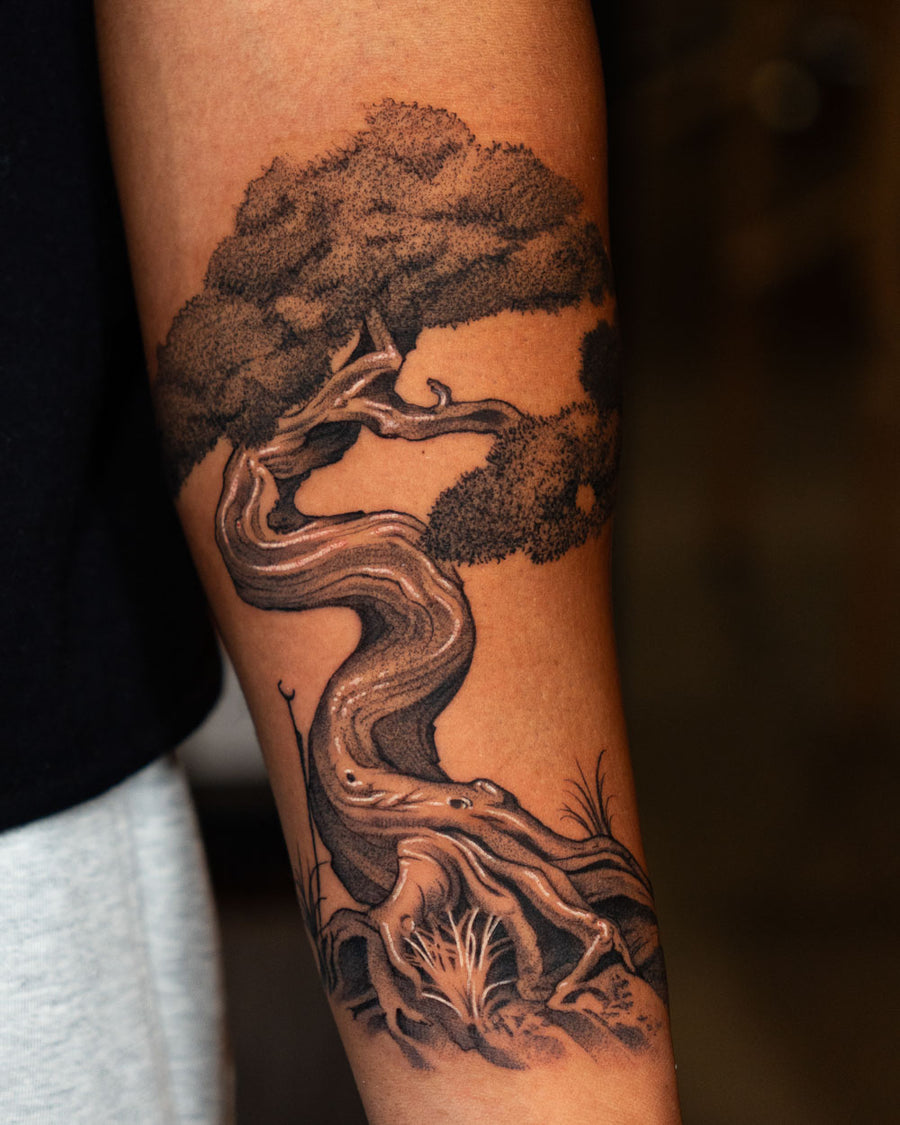
Yes. Many survival tattoos incorporate dates marking specific milestones, names of people who supported the journey, or quotes that hold personal meaning. Flowers, birds, and other growth imagery often accompany survival symbols to emphasize transformation alongside endurance.

What style works best for survival tattoos?

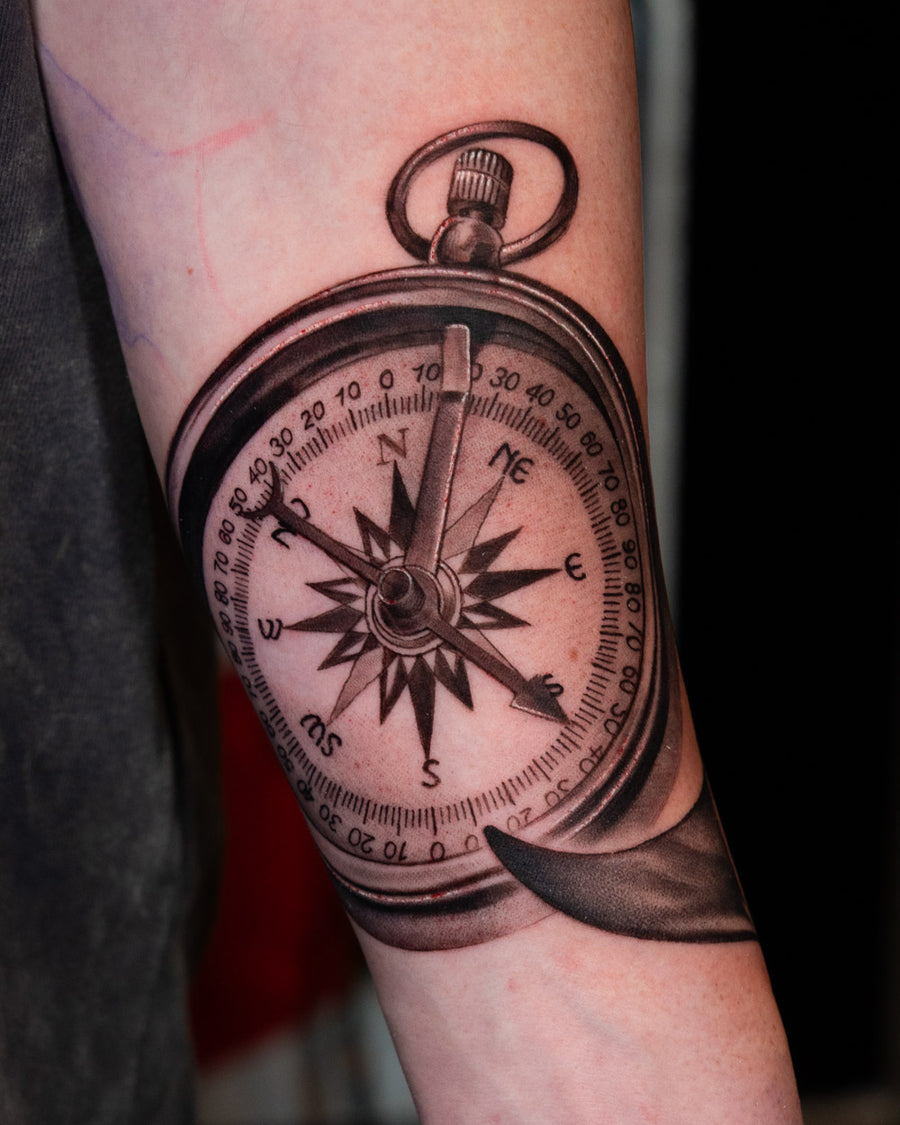
Fine-line styles work well for small, delicate symbols like semicolons. Black and grey realism captures detailed imagery beautifully. Watercolor styles add emotional depth. The best style depends on your design size, personal aesthetic, and whether you want subtle elegance or bold visibility.

or

Ready for a Survival Tattoo?

Keep scrolling—we'll guide you through styles, placements, and meanings below

Scroll Down

Your Journey to the Perfect Survival Tattoo

We'll guide you through every step of creating meaningful ink that lasts a lifetime

1

Choose Style

Find your aesthetic

2

Pick Placement

Choose location

3

Find Artist

Book consultation

Need help deciding? Talk to an expert for free

Step 1: Choose Your Style

Explore styles that work best for Survival tattoos, each chosen for flow, readability, and long-term wear.

Step 2: Choose Your Placement

Choose a placement that supports clarity, aging, and the meaning behind your Survival tattoo.

Step 3: Choose Your Artist

Choose an artist whose style, technique, and experience bring your Survival tattoo to life.

Start to Finish

Let’s Bring Your Idea to Life

Clean work, honest guidance, and a transparent process. At 46 Tattoo, your skin, your idea, and your trust are treated with real respect.

Book Your Free Consultation

Share Your Idea

Just send us your tattoo idea — even if it’s rough! From there, we’ll follow up to book your free consultation or you can choose a time directly through our calendar.

Not sure what you want? That’s okay too. We’re here to help guide you toward something that fits your vision and looks great long-term.

Free Consultation

Book a free 15-minute consultation— online or in person (we recommend stopping by to say hi!). We’ll go over your idea, size, placement, and pricing — no pressure to commit. Our goal is to understand your vision, answer your questions, and guide you toward a design that looks great now and for years to come.

We’re here to make the process smooth and stress-free.

Lock In Your Appointment

What Happens: Once you're ready to book in, we’ll take a deposit and lock in your session. From there, your artist will collaborate with you to finalize the design—incorporating feedback and making sure it aligns with your vision.

Time: Whenever you’re ready to book—no pressure

Cost: $100 deposit (applied to your final price)

Custom Design Creation

What happens: Your artist creates a design tailored to your anatomy, style, and vision. We’ll work closely with you—sharing drafts, gathering feedback, and making thoughtful adjustments—until the design feels just right.

Time: ~1-2 weeks

Cost: Included in your tattoo price

Leading Up to Your Appointment

A little prep can make a big difference. Here are a few simple tips to help you get ready:

  • Eat well and stay hydrated
  • Moisturize the area for a few days
  • Avoid sunburn, alcohol, and blood thinners
  • Review your appointment details — and reach out with any questions

Want more help? Check out our guides.

Time: Start prepping 2–3 days before your session

The Day of Your Appointment

Show up feeling good — we’ll take it from there.

  • Bring valid ID (you must be 18+)
  • Arrive on time — or a little early
  • Come well-fed, rested, and freshly showered
  • Bring water, snacks, and a friend if you like
  • Your artist will walk you through every step — from setup to aftercare

Time: Arrive on time

After Your Appointment

You’ll leave with a beautiful tattoo — and everything you need to take care of it properly.

  • Keep the area clean and moisturized
  • Avoid sun, soaking, and scratching
  • Healing takes 2–4 weeks, depending on your skin and placement
  • Got questions later? Just reach out — we’re always here to help

Time: 2–4 weeks

Cost: Aftercare is included — touch-ups are free within 6 months (if needed)