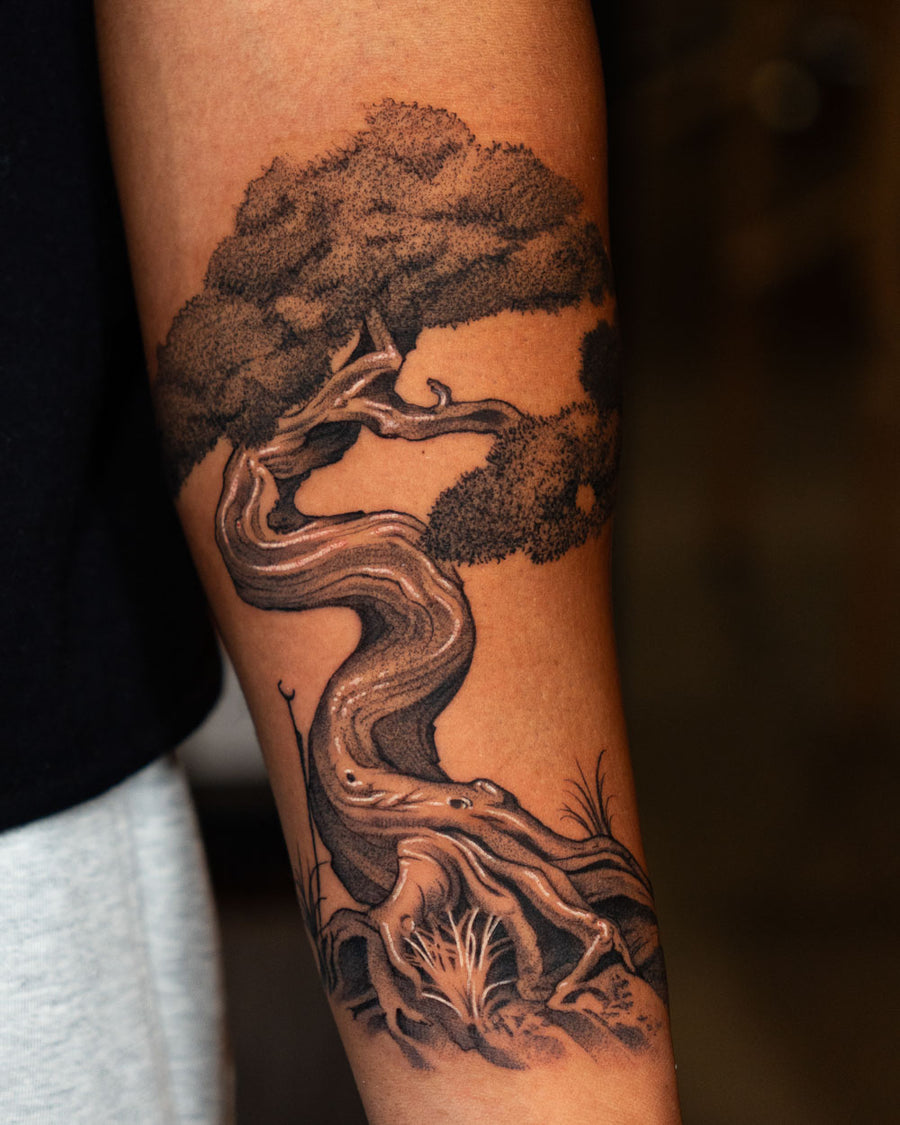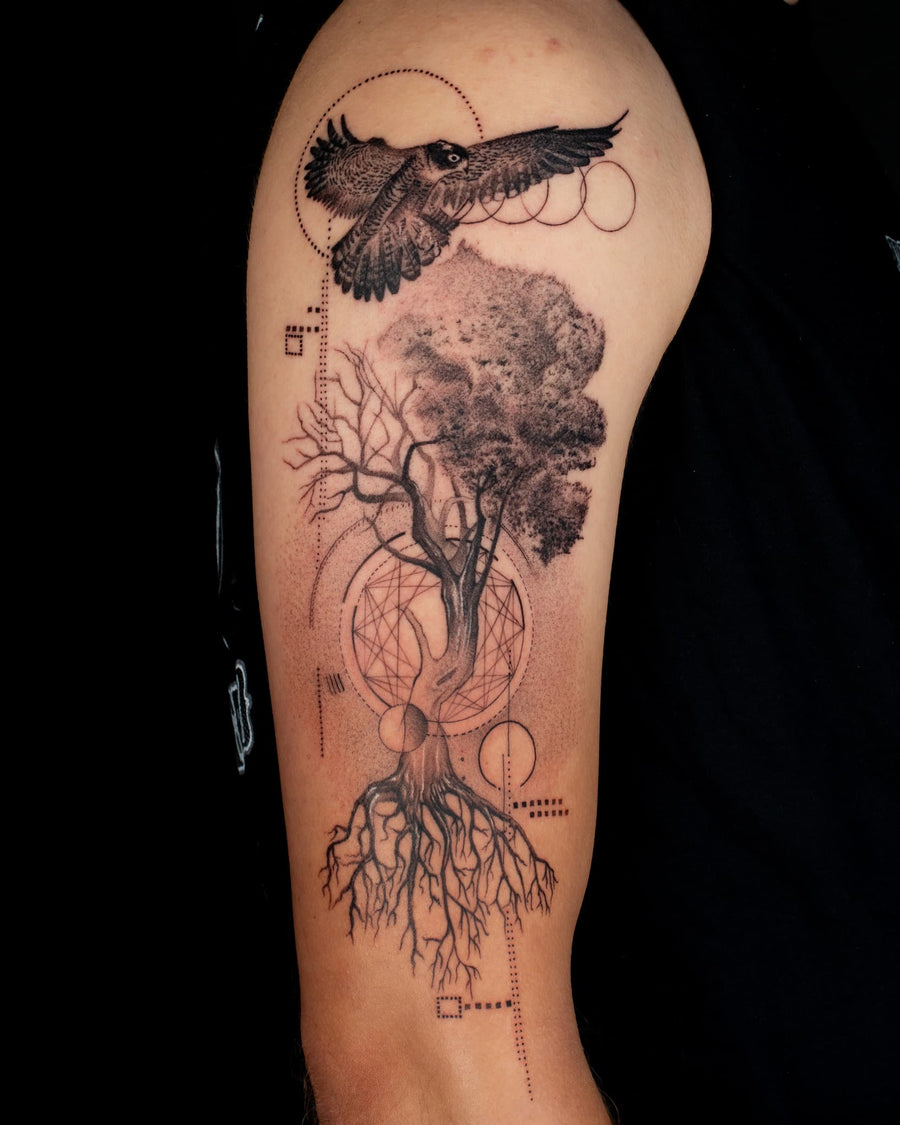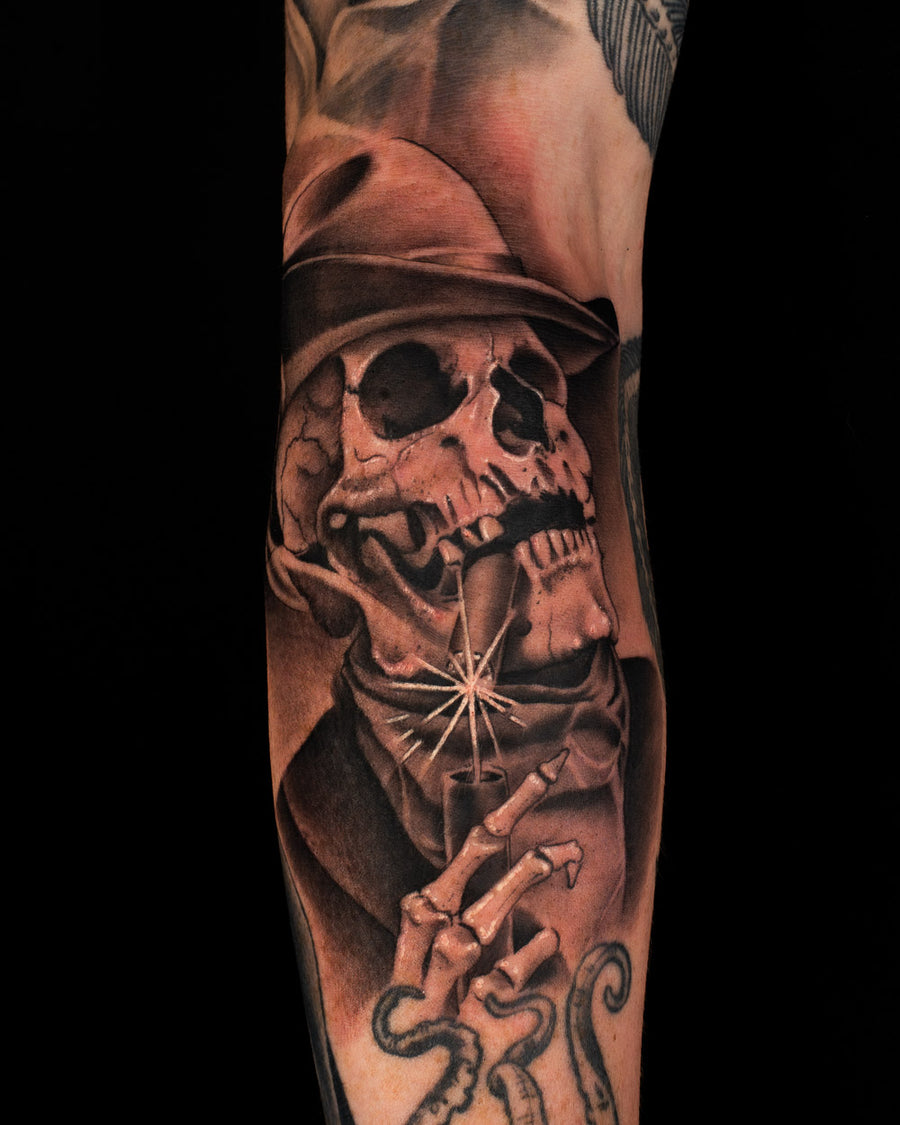
Grief tattoo reference 1
Grief tattoo reference 2
Grief tattoo reference 3

Carrying Loss Forward

Grief Tattoos

Symbols of loss, mourning, and the love that outlasts death.

TATTOO MEANING

What Grief Tattoos Represent

Grief tattoos transform invisible pain into visible mark. They serve as outer scars for inner wounds, portable shrines for those no longer here, and permanent declarations that love does not end with death. Research shows memorial tattoos help mourners maintain continuing bonds with the deceased rather than forcing artificial closure. This guide explores grief symbolism, therapeutic meaning, and how to design imagery that honors loss while supporting healing.
Grief
HISTORY & SYMBOLISM

The Origin of Grief Tattoos

Memorial tattooing has ancient roots across cultures that marked death and honored the deceased through body modification. Modern understanding of grief tattoos has evolved alongside psychological research on mourning. Earlier models suggested healthy grief required detaching from the deceased, but contemporary research supports continuing bonds, maintaining meaningful connection with those who have died. Memorial tattoos fit this model, providing daily portable reminders of relationship rather than forcing disconnection.

The practice gained visibility in Western culture during the late 20th century as tattoo acceptance increased and mourners sought permanent ways to carry their dead. Research published in academic journals now examines memorial tattoos as legitimate grief processing tools, with studies showing mourners consistently report feeling loved ones close through their ink. Today, grief tattoos range from simple dates and names to elaborate portraits and symbolic compositions, serving therapeutic function alongside aesthetic expression.
Grief
MODERN SIGNIFICANCE

What Grief Tattoos Mean Today

People choose grief tattoos to maintain connection with deceased loved ones, process loss through meaningful action, and create permanent tributes that cannot fade like photographs or be lost like objects. These designs serve psychological function beyond decoration: they combat the fear that memories will fade, provide concrete coping mechanisms, and allow mourners to take control of their grief narrative rather than conforming to expectations to simply move on.

Aesthetically, grief tattoos draw from personal connection rather than generic symbolism. Portraits capture likeness. Handwriting preserves the deceased's own script. Dates mark birth and death. Symbols meaningful to the relationship, whether hobbies, shared jokes, or significant objects, personalize grief expression. The best memorial tattoos balance universal grief imagery with specific personal elements, creating tributes that honor individuals rather than abstract loss.
Grief
Grief Tattoo FAQ

Common Questions About Grief Tattoos

Do memorial tattoos help with grief?

Research supports memorial tattoos as legitimate grief processing tools. They help maintain continuing bonds with the deceased, combat fear of fading memories, and provide concrete coping mechanisms. Many mourners report feeling loved ones close through their ink, experiencing tattoos as daily portable shrines.

What are common grief tattoo designs?

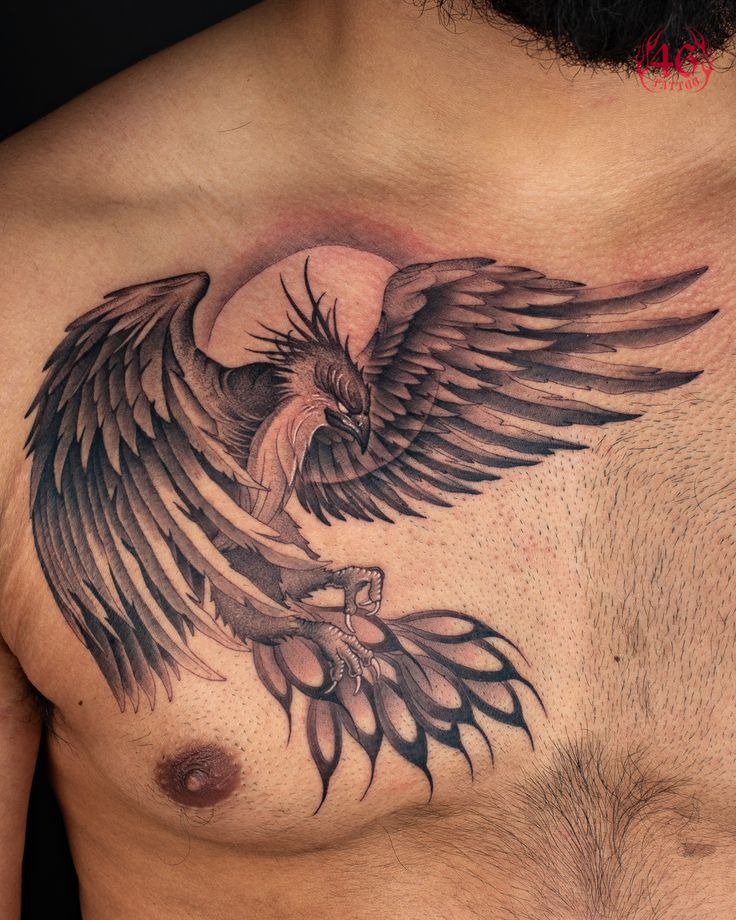
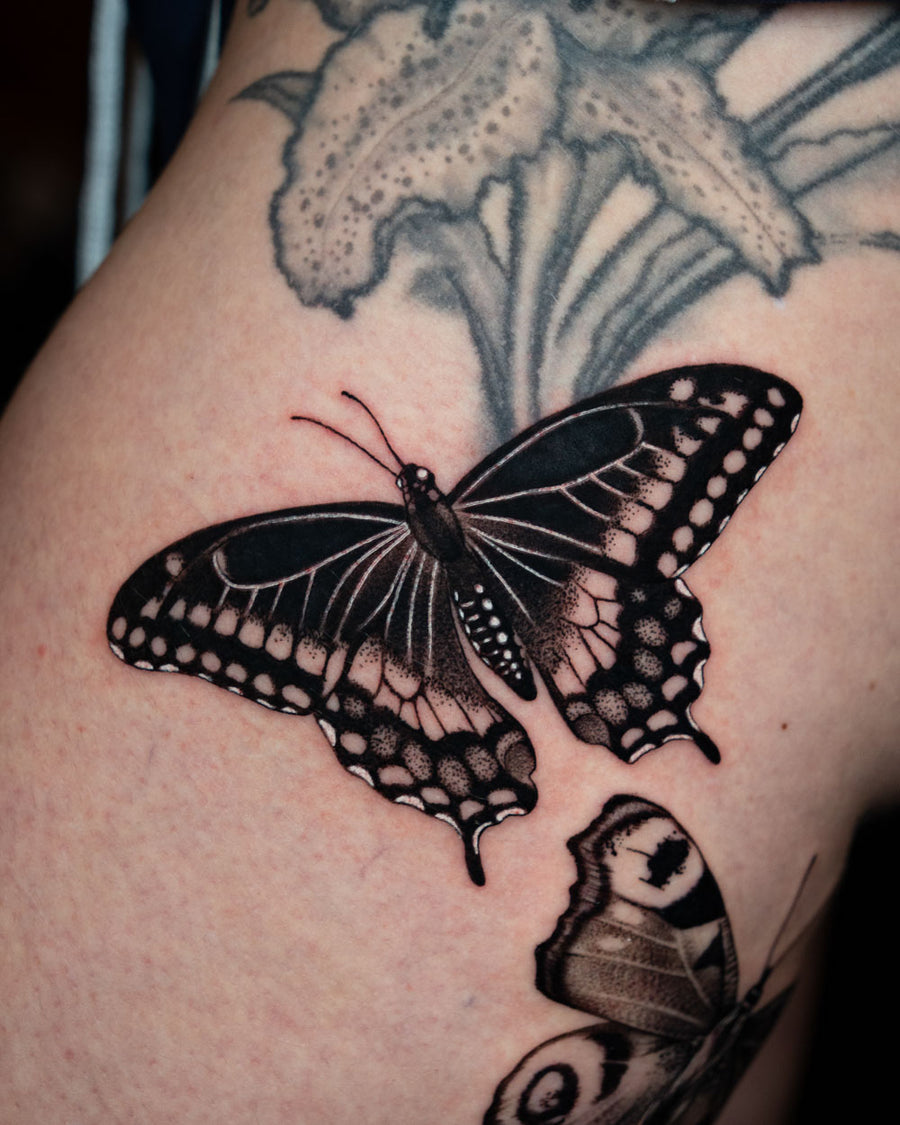
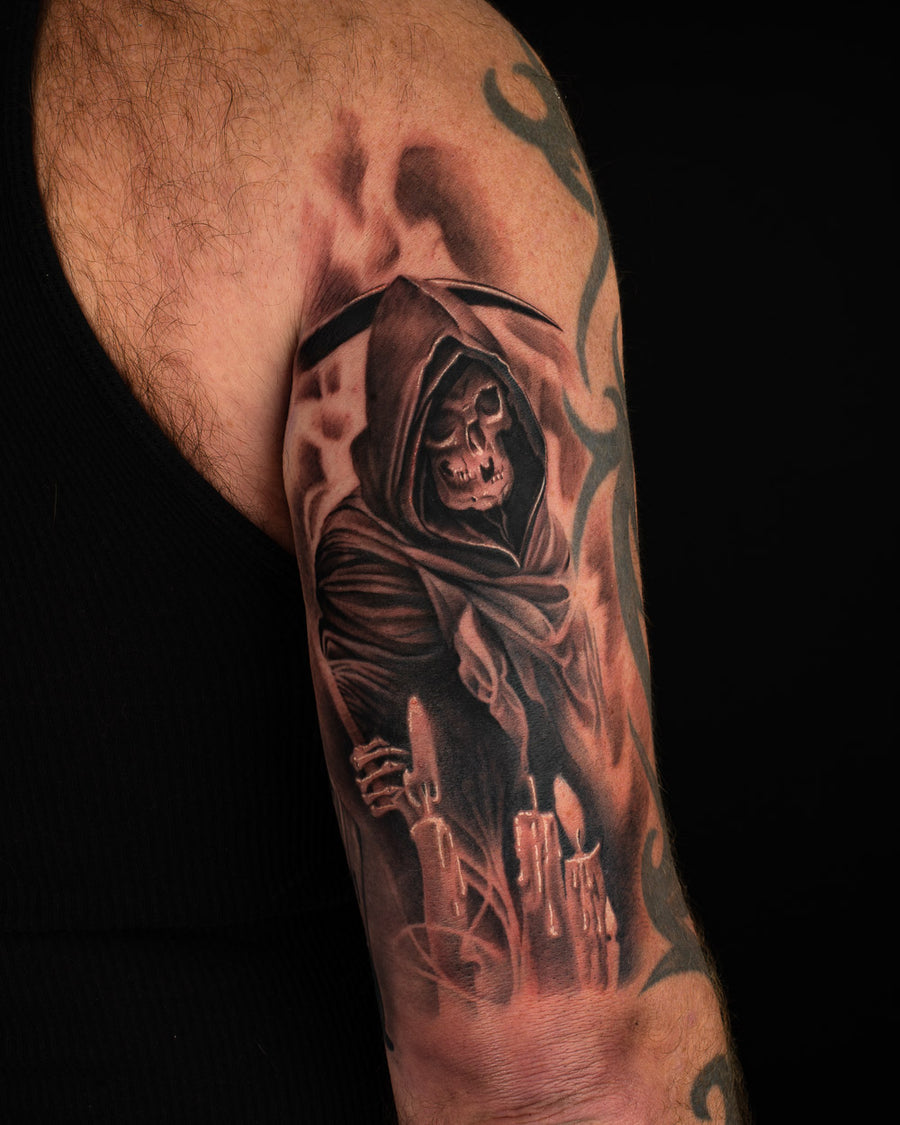
Common designs include portraits of the deceased, birth and death dates, handwriting preservation, infinity symbols representing eternal love, butterflies representing transformation, and personal symbols meaningful to the specific relationship. The best grief tattoos incorporate elements specific to the person being mourned.

Should I wait to get a memorial tattoo?

There is no universally right timing. Some people find immediate tattooing cathartic and empowering. Others need time to process grief before choosing permanent imagery. Consider whether you want the tattoo as immediate grief expression or after some processing. Either approach is valid.

Can I include handwriting in a memorial tattoo?

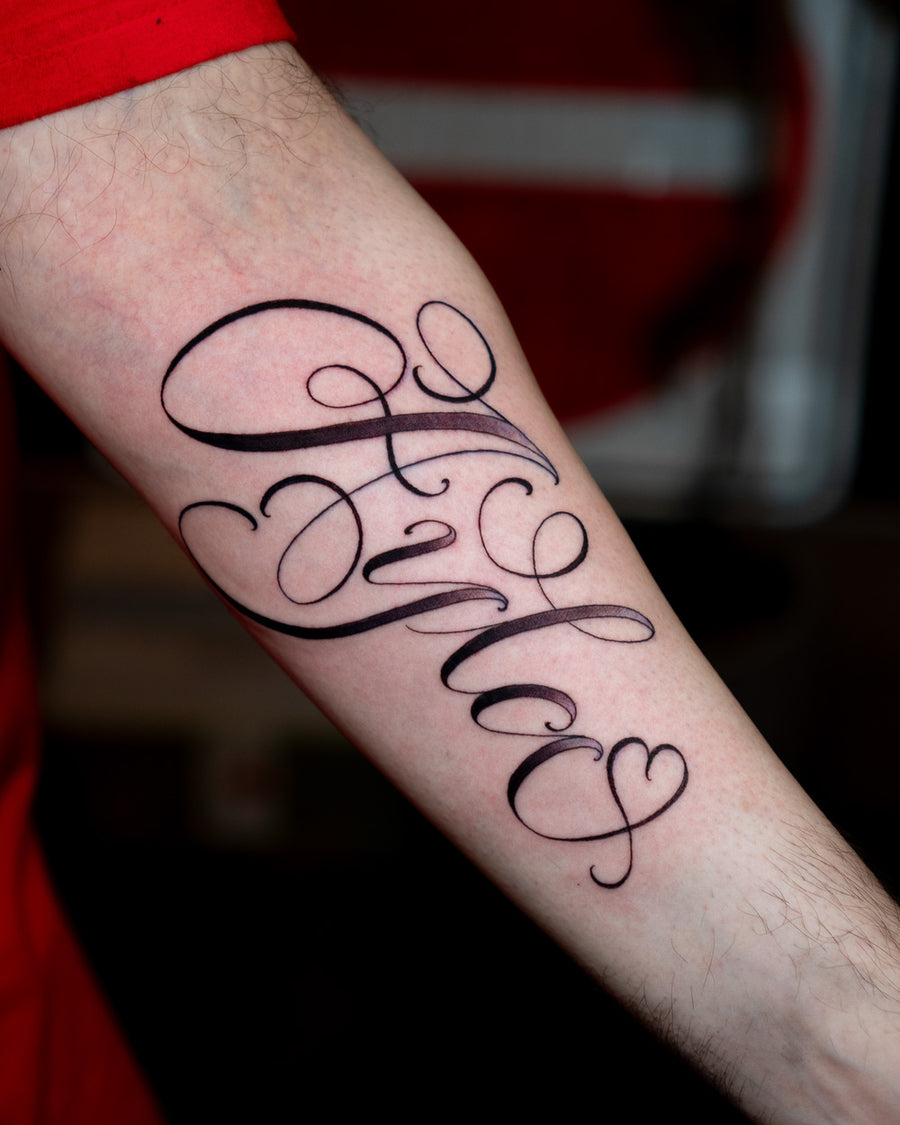
Yes. Many memorial tattoos preserve the deceased's actual handwriting from cards, notes, or signatures. Photograph samples can be transferred as tattoo designs. This preserves something irreplaceable while creating deeply personal memorial imagery.

Where should I place a memorial tattoo?

Placement is personal. Wrists and forearms provide constant visibility as daily reminders. Chests and ribs offer proximity to the heart. More private placements serve those who want personal rather than public memorials. There is no wrong placement for grief tattoos.

or

Ready for a Grief Tattoo?

Keep scrolling—we'll guide you through styles, placements, and meanings below

Scroll Down

Your Journey to the Perfect Grief Tattoo

We'll guide you through every step of creating meaningful ink that lasts a lifetime

1

Choose Style

Find your aesthetic

2

Pick Placement

Choose location

3

Find Artist

Book consultation

Need help deciding? Talk to an expert for free

Step 1: Choose Your Style

Explore styles that work best for Grief tattoos, each chosen for flow, readability, and long-term wear.

Step 2: Choose Your Placement

Choose a placement that supports clarity, aging, and the meaning behind your Grief tattoo.

Step 3: Choose Your Artist

Choose an artist whose style, technique, and experience bring your Grief tattoo to life.

Start to Finish

Let’s Bring Your Idea to Life

Clean work, honest guidance, and a transparent process. At 46 Tattoo, your skin, your idea, and your trust are treated with real respect.

Book Your Free Consultation

Share Your Idea

Just send us your tattoo idea — even if it’s rough! From there, we’ll follow up to book your free consultation or you can choose a time directly through our calendar.

Not sure what you want? That’s okay too. We’re here to help guide you toward something that fits your vision and looks great long-term.

Free Consultation

Book a free 15-minute consultation— online or in person (we recommend stopping by to say hi!). We’ll go over your idea, size, placement, and pricing — no pressure to commit. Our goal is to understand your vision, answer your questions, and guide you toward a design that looks great now and for years to come.

We’re here to make the process smooth and stress-free.

Lock In Your Appointment

What Happens: Once you're ready to book in, we’ll take a deposit and lock in your session. From there, your artist will collaborate with you to finalize the design—incorporating feedback and making sure it aligns with your vision.

Time: Whenever you’re ready to book—no pressure

Cost: $100 deposit (applied to your final price)

Custom Design Creation

What happens: Your artist creates a design tailored to your anatomy, style, and vision. We’ll work closely with you—sharing drafts, gathering feedback, and making thoughtful adjustments—until the design feels just right.

Time: ~1-2 weeks

Cost: Included in your tattoo price

Leading Up to Your Appointment

A little prep can make a big difference. Here are a few simple tips to help you get ready:

  • Eat well and stay hydrated
  • Moisturize the area for a few days
  • Avoid sunburn, alcohol, and blood thinners
  • Review your appointment details — and reach out with any questions

Want more help? Check out our guides.

Time: Start prepping 2–3 days before your session

The Day of Your Appointment

Show up feeling good — we’ll take it from there.

  • Bring valid ID (you must be 18+)
  • Arrive on time — or a little early
  • Come well-fed, rested, and freshly showered
  • Bring water, snacks, and a friend if you like
  • Your artist will walk you through every step — from setup to aftercare

Time: Arrive on time

After Your Appointment

You’ll leave with a beautiful tattoo — and everything you need to take care of it properly.

  • Keep the area clean and moisturized
  • Avoid sun, soaking, and scratching
  • Healing takes 2–4 weeks, depending on your skin and placement
  • Got questions later? Just reach out — we’re always here to help

Time: 2–4 weeks

Cost: Aftercare is included — touch-ups are free within 6 months (if needed)