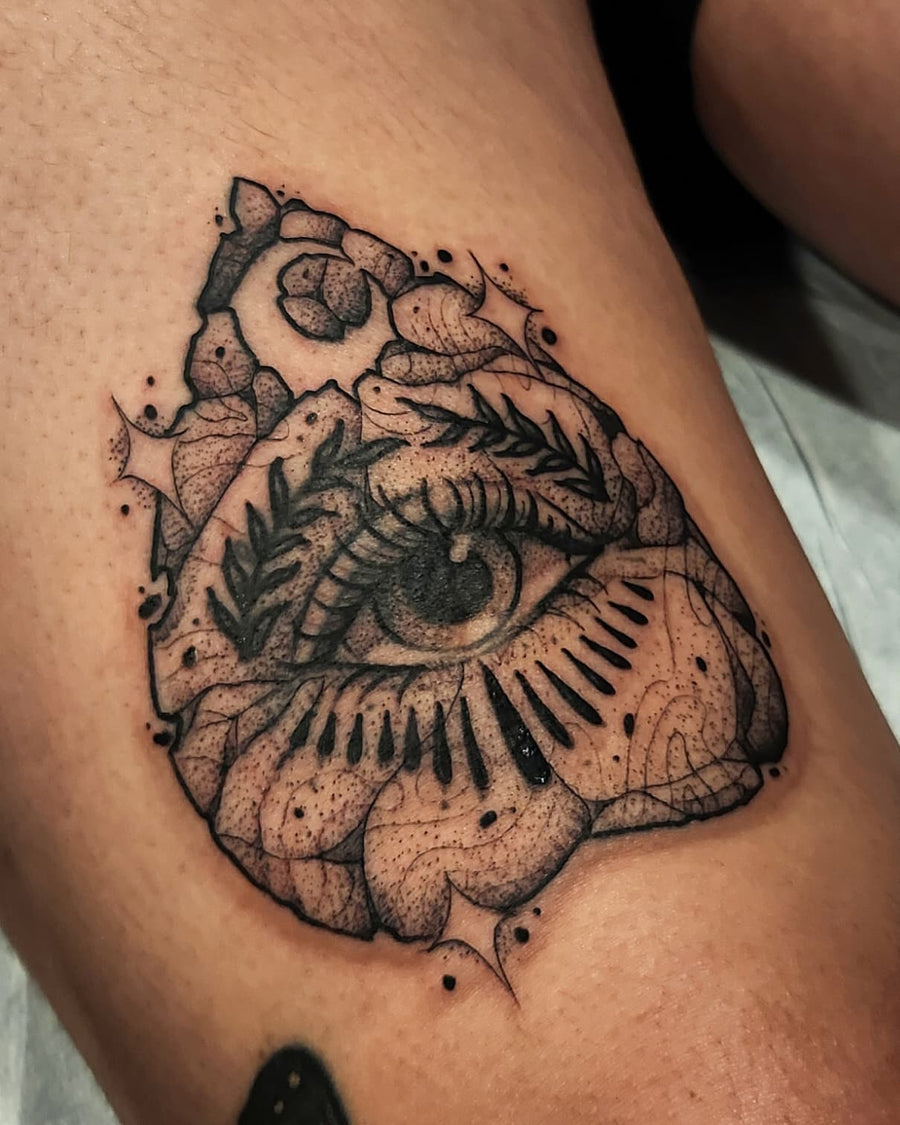
Playing Card tattoo reference 1
Playing Card tattoo reference 2
Playing Card tattoo reference 3

Luck and Chance

Playing Card Tattoos

A symbol of luck, chance, and the games we play.

TATTOO MEANING

What the Playing Card Tattoo Represents

A playing card tattoo represents more than gambling. It embodies luck, chance, and the understanding that life involves calculated risks and opportunities. But what does your playing card tattoo mean? The symbol carries deep significance, from medieval European origins to Russian criminal traditions. This guide helps you understand playing card tattoo meaning, history, and how to design one that reflects your connection to chance without relying on clichés.
Playing Card
HISTORY & SYMBOLISM

The Origins of the Playing Card Tattoo

Playing card tattoos emerged from medieval European traditions where playing cards originated as entertainment for the wealthy before mass production made them accessible to common people. The modern 52-card deck was standardized in the 1500s, with four suits originally representing social classes: Spades representing aristocracy and knights, Hearts representing the church, Diamonds representing wealth, and Clubs representing peasants. During the French Revolution, Ace High became symbolically associated with lower classes rising above aristocracy. Playing card tattoos are considered good luck charms but can also warn against gambling's dangers. In Russian criminal culture, card tattoos had elaborate meanings denoting status, criminal skills, and prison experience. Today, playing card tattoos represent not just gambling, but connection to luck, chance, and the games we play.
Playing Card
MODERN SIGNIFICANCE

Why Playing Card Tattoos Matter Today

People choose playing card tattoos to represent luck, chance, or connection to calculated risks and opportunities. The symbol resonates with those who value luck and fortune, find meaning in taking calculated risks, or want to express their connection to games and chance. Playing card tattoos also serve as expressions of personal meaning, representing the understanding that aces represent strength, dominance, new beginnings, and reaching potential, that face cards symbolize authority, leadership, wisdom, charm, and charisma, that hearts represent love and emotions, spades represent learning and problem-solving, diamonds represent money and wealth, clubs represent work and effort, and that the Dead Man's Hand, black aces and black eights, references a poker player killed during an 1876 card game in Deadwood, Dakota.

Aesthetically, playing card tattoos offer diverse design possibilities through distinctive card forms and symbolic elements. Popular variations include ace cards representing strength and new beginnings, face cards representing authority and leadership, Dead Man's Hand representing mortality and risk, card suits representing different meanings, pair tattoos representing love and luck between couples, or compositions combining multiple cards. They work in traditional styles that capture classic card symbolism, realistic styles that showcase card detail, or illustrative interpretations that focus on essential forms. Whether you want a simple ace or detailed card composition, playing card tattoos carry meaning that honors both luck and chance.
Playing Card
Playing Card Tattoo FAQ

Common Questions About Playing Card Tattoos

What does a playing card tattoo symbolize?

Playing card tattoos symbolize luck, chance, and the games we play. They represent calculated risks and opportunities, with aces representing strength and new beginnings, face cards representing authority and leadership, hearts representing love and emotions, spades representing learning, diamonds representing wealth, and clubs representing work and effort.

What is the Dead Man's Hand?

The Dead Man's Hand refers to black aces and black eights, referencing a poker player killed during an 1876 card game in Deadwood, Dakota. This card combination remains a popular tattoo representing mortality and risk.

What do different card suits mean?

Hearts represent love and emotions. Spades represent learning and problem-solving. Diamonds represent money and wealth. Clubs represent work and effort. Red cards generally represent positivity while black cards suggest less optimistic meanings. Suit choices affect meaning.

What style works best for playing card tattoos?

Traditional styles showcase playing card detail and classic symbolism beautifully. Black and grey realism allows for detailed card craftsmanship. Illustrative styles allow for creative interpretations while maintaining card essence. Choose based on whether you want card detail, symbolic impact, or artistic expression.

How long does a playing card tattoo take?

Time depends heavily on size, position, detail level, style complexity, and your pain tolerance. A simple playing card tattoo typically requires 2 to 4 hours, though actual times can vary significantly. Larger card compositions or complex designs with multiple cards may take 4 to 8 hours, while intricate detailed pieces can take 8 to 12 hours or more, often spread across multiple sessions.

How much does a high-quality Playing Card tattoo cost?

Tattoo pricing depends on your design, size, placement, and level of detail. For simpler pieces, we may quote a flat rate, for larger or more complex work, we usually charge hourly based on the artist’s rate.

Great tattoos aren’t cheap, and you don’t want to be cheap with your body, cover-ups and removals can be expensive (and not always possible). The best way to get an accurate quote is to chat with one of our artists. Share your idea or come by for a walk-in consultation and we’ll walk through your idea, timeline, and pricing together.

or

Ready for a Playing Card Tattoo?

Keep scrolling—we'll guide you through styles, placements, and meanings below

Scroll Down

Your Journey to the Perfect Playing Card Tattoo

46 Tattoo is a Toronto studio offering fully custom tattoos, helping you choose the right style, placement, and artist for your design. We'll guide you through every step of creating meaningful ink that lasts a lifetime

1

Choose Style

Find your aesthetic

2

Pick Placement

Choose location

3

Find Artist

Book consultation

Need help deciding? Talk to an expert for free

Design Considerations

What to consider when designing a Playing Card Tattoo

Card type and symbolism

Playing card tattoos can feature ace cards representing strength and new beginnings, face cards representing authority and leadership, number cards representing different values, or specific card combinations like Dead Man's Hand. Card type choices affect meaning. Work with your artist to select card types that match your intended symbolism.

Suit selection

Playing card suits carry distinct meanings: hearts represent love and emotions, spades represent learning and problem-solving, diamonds represent money and wealth, clubs represent work and effort. Suit choices affect meaning. Work with your artist to select suits that match your intended symbolism.

Card detail and accuracy

Playing card tattoos require careful attention to card detail and accuracy, especially for realistic styles. Cards need recognizable suit symbols, numbers, and face card designs. Work with your artist to ensure accurate card proportions and recognizable form.

Size and detail

Playing card tattoos work across multiple sizes, from small minimalist cards to larger card compositions. Smaller designs focus on essential forms, while larger pieces allow for more intricate compositions with multiple cards. Consider your size preferences and placement options.

Style selection

Traditional styles showcase playing card detail and classic symbolism beautifully. Realistic styles allow for detailed card craftsmanship. Illustrative styles allow for creative interpretations. Choose based on whether you want card detail, symbolic impact, or artistic expression.

Placement and composition

Playing card tattoos work across multiple placements. Forearm and chest placements work well for card designs. Smaller placements suit minimalist designs. Consider visibility and whether you want the tattoo to serve as a public statement or personal reminder of luck.

Step 1: Choose Your Style

Explore styles that work best for Playing Card tattoos, each chosen for flow, readability, and long-term wear.

Step 2: Choose Your Placement

Choose a placement that supports clarity, aging, and the meaning behind your Playing Card tattoo.

Step 3: Choose Your Artist

Choose an artist whose style, technique, and experience bring your Playing Card tattoo to life.

Start to Finish

Let’s Bring Your Idea to Life

Clean work, honest guidance, and a transparent process. At 46 Tattoo, your skin, your idea, and your trust are treated with real respect.

Book Your Free Consultation

Share Your Idea

Just send us your tattoo idea — even if it’s rough! From there, we’ll follow up to book your free consultation or you can choose a time directly through our calendar.

Not sure what you want? That’s okay too. We’re here to help guide you toward something that fits your vision and looks great long-term.

Free Consultation

Book a free 15-minute consultation— online or in person (we recommend stopping by to say hi!). We’ll go over your idea, size, placement, and pricing — no pressure to commit. Our goal is to understand your vision, answer your questions, and guide you toward a design that looks great now and for years to come.

We’re here to make the process smooth and stress-free.

Lock In Your Appointment

What Happens: Once you're ready to book in, we’ll take a deposit and lock in your session. From there, your artist will collaborate with you to finalize the design—incorporating feedback and making sure it aligns with your vision.

Time: Whenever you’re ready to book—no pressure

Cost: $100 deposit (applied to your final price)

Custom Design Creation

What happens: Your artist creates a design tailored to your anatomy, style, and vision. We’ll work closely with you—sharing drafts, gathering feedback, and making thoughtful adjustments—until the design feels just right.

Time: ~1-2 weeks

Cost: Included in your tattoo price

Leading Up to Your Appointment

A little prep can make a big difference. Here are a few simple tips to help you get ready:

  • Eat well and stay hydrated
  • Moisturize the area for a few days
  • Avoid sunburn, alcohol, and blood thinners
  • Review your appointment details — and reach out with any questions

Want more help? Check out our guides.

Time: Start prepping 2–3 days before your session

The Day of Your Appointment

Show up feeling good — we’ll take it from there.

  • Bring valid ID (you must be 18+)
  • Arrive on time — or a little early
  • Come well-fed, rested, and freshly showered
  • Bring water, snacks, and a friend if you like
  • Your artist will walk you through every step — from setup to aftercare

Time: Arrive on time

After Your Appointment

You’ll leave with a beautiful tattoo — and everything you need to take care of it properly.

  • Keep the area clean and moisturized
  • Avoid sun, soaking, and scratching
  • Healing takes 2–4 weeks, depending on your skin and placement
  • Got questions later? Just reach out — we’re always here to help

Time: 2–4 weeks

Cost: Aftercare is included — touch-ups are free within 6 months (if needed)