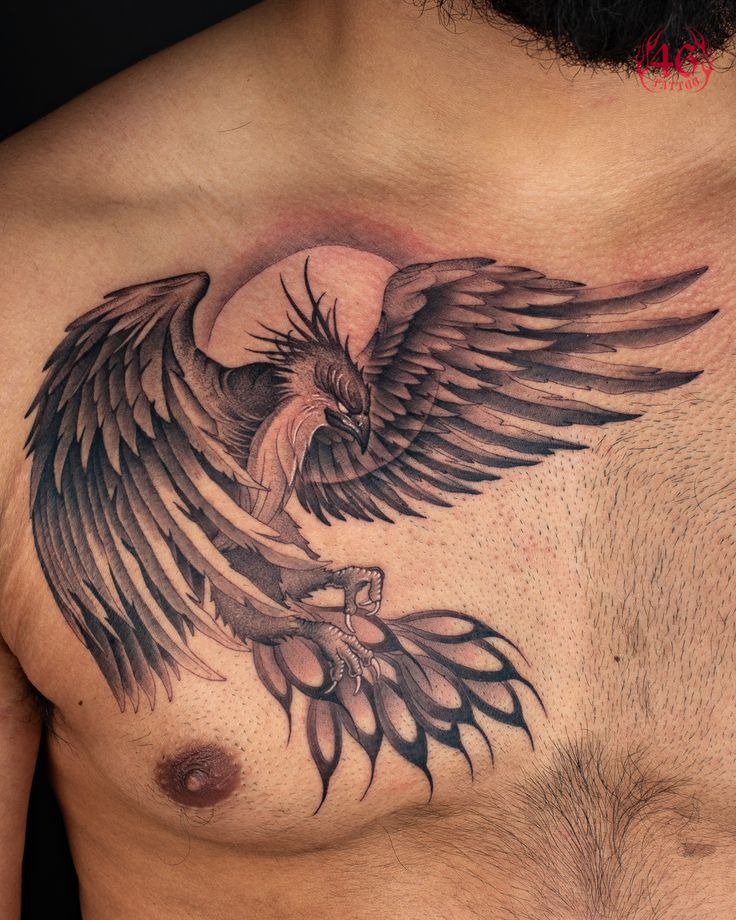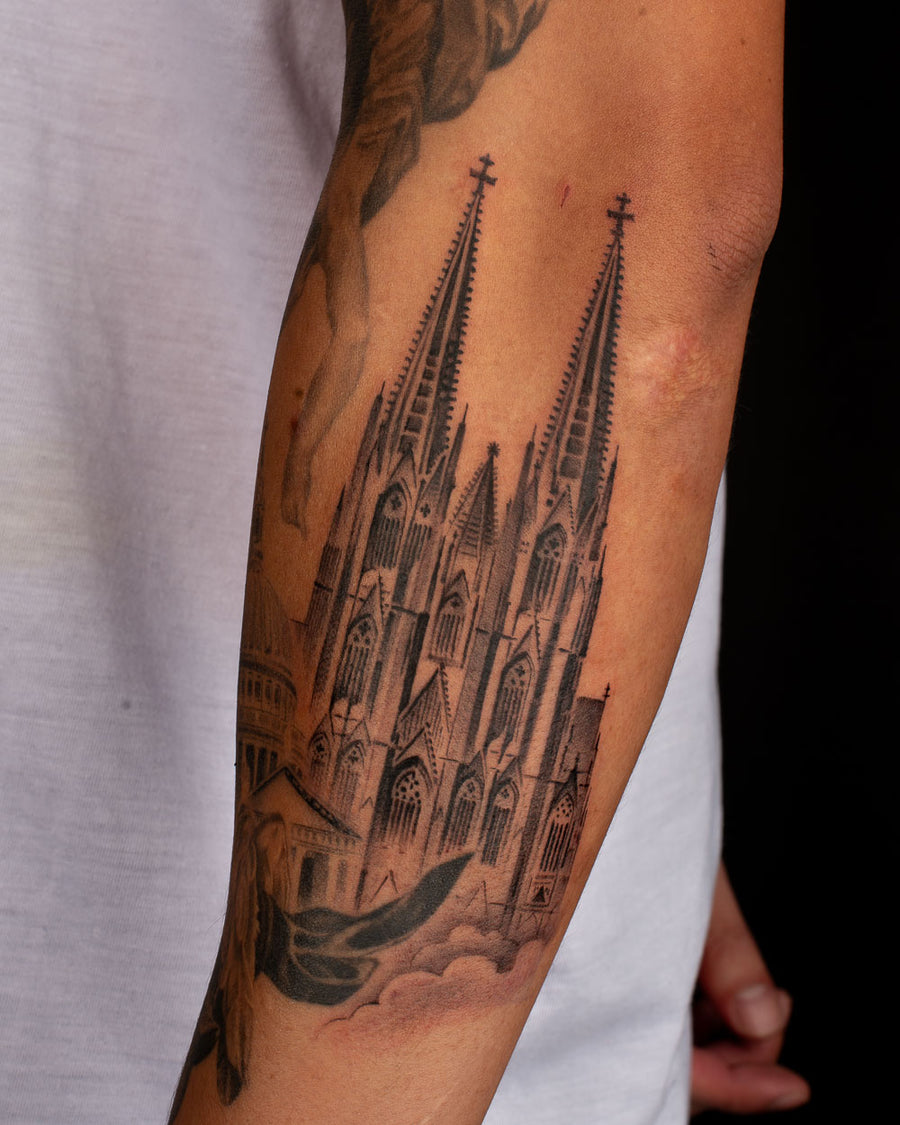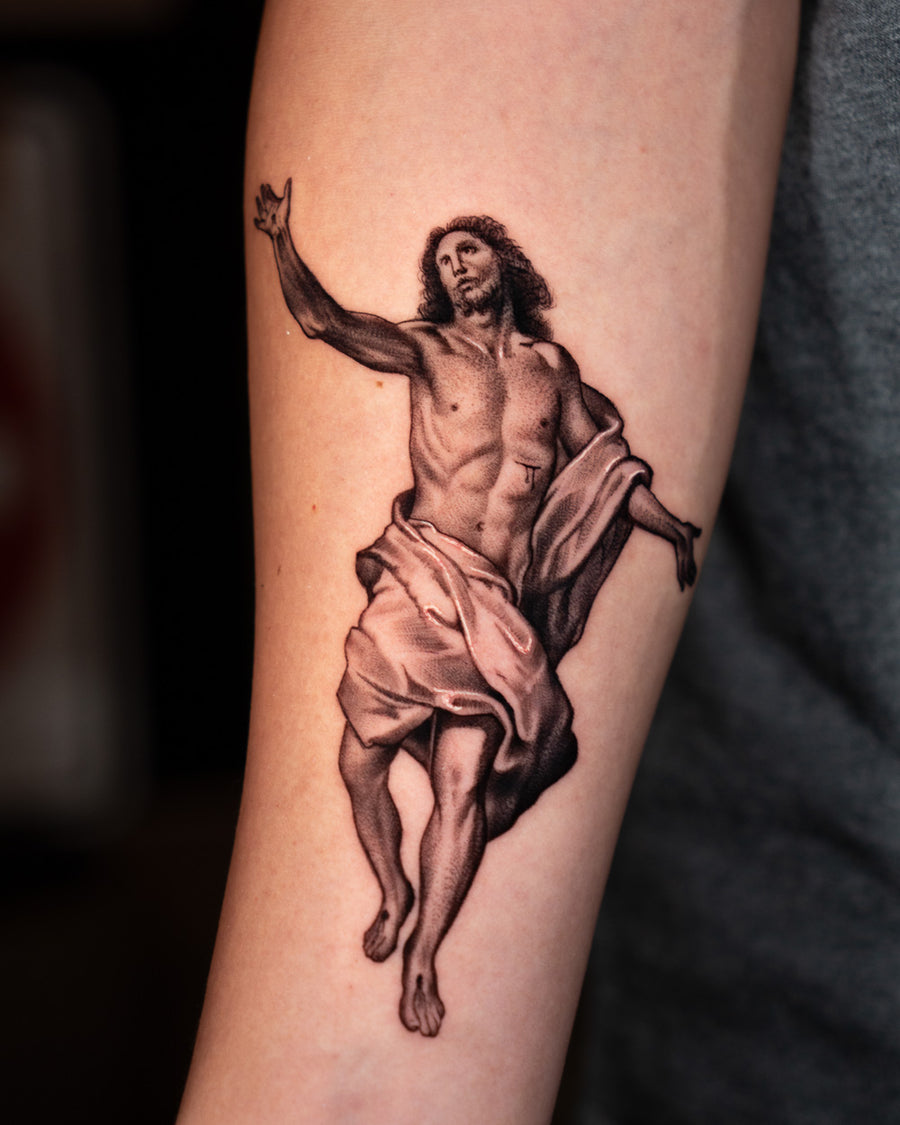
Church tattoo reference 1
Church tattoo reference 2
Church tattoo reference 3

Sacred Spaces

Church Tattoos

A symbol of faith, community, and spiritual sanctuary.

TATTOO MEANING

What the Church Tattoo Represents

A church tattoo represents more than architecture. It embodies faith, community, and the search for spiritual sanctuary. But what does your church mean? The symbol carries centuries of religious significance and personal meaning. This guide helps you understand church tattoo meaning, history, and how to design one that reflects your spiritual connection without relying on clichés.
Church
HISTORY & SYMBOLISM

The Origins of the Church Tattoo

Church tattoos emerged from Christian pilgrimage traditions where travelers marked their bodies with religious symbols as proof of successful journeys to sacred sites. The Franciscans promoted tattoos as early as the 16th century, and Holy Land pilgrims included tattooing on their itineraries alongside visits to sacred sites like the Church of the Holy Sepulchre. During the Crusades, tattoos featuring Christian symbolism were used for perceived protection against forced conversion and enslavement. The practice became particularly associated with Jerusalem, where tattoo shops have served Christian pilgrims for centuries. Today, church tattoos represent not just religious faith, but connection to community, spiritual sanctuary, and the idea that sacred spaces offer refuge and meaning.
Church
MODERN SIGNIFICANCE

Why Church Tattoos Matter Today

People choose church tattoos to represent faith, community, spiritual sanctuary, or connection to religious tradition. The symbol resonates with those who value religious practice, find meaning in sacred spaces, or want to honor their spiritual journey. Church tattoos also serve as expressions of belonging, representing membership in a faith community and the search for spiritual refuge.

Aesthetically, church tattoos offer architectural beauty and symbolic depth. They work in realistic styles that capture architectural detail, bold traditional designs that emphasize symbolic power, or minimalist interpretations that focus on essential forms. The designs adapt to different placements, from detailed back pieces to smaller forearm tattoos. Whether you want a full architectural rendering or a symbolic representation, church tattoos carry meaning that honors both faith and personal expression.
Church
Church Tattoo FAQ

Common Questions About Church Tattoos

What does a church tattoo symbolize?

Church tattoos symbolize faith, community, spiritual sanctuary, and connection to religious tradition. They represent membership in a faith community, the search for spiritual refuge, and the idea that sacred spaces offer meaning and belonging. The specific meaning often reflects personal spiritual journey and connection to religious practice.

Can church tattoos be minimalist?

Yes. Church tattoos work beautifully in minimalist designs that emphasize essential architectural forms. Simple silhouettes or line work capture the church's distinctive shape while maintaining clarity. Fine-line styles excel at creating delicate church designs. Smaller placements suit minimalist designs, making church tattoos ideal for subtle expressions of faith.

What elements can I add to a church tattoo?

Church tattoos can incorporate crosses, stained glass windows, doors, spires, or surrounding elements like trees or paths. These elements add depth and storytelling. Some people add names, dates, or meaningful quotes. Work with your artist to integrate elements that enhance rather than overwhelm the church design.

What style works best for church tattoos?

Black and grey realism showcases architectural detail and texture beautifully. Illustrative styles allow for creative interpretations while maintaining architectural essence. Traditional styles emphasize bold lines and symbolic power. Fine-line styles work well for minimalist designs. Choose based on whether you want architectural accuracy, symbolic impact, or artistic expression.

How long does a church tattoo take?

Time depends heavily on size, position, detail level, style complexity, and your pain tolerance. A detailed church tattoo typically requires 4 to 8 hours, though actual times can vary significantly. Smaller, simpler designs may take 2 to 4 hours, while large, hyper-realistic pieces with intricate architectural detail can take 10 to 15 hours or more, often spread across multiple sessions.

How much does a high-quality Church tattoo cost?

Tattoo pricing depends on your design, size, placement, and level of detail. For simpler pieces, we may quote a flat rate, for larger or more complex work, we usually charge hourly based on the artist’s rate.

Great tattoos aren’t cheap, and you don’t want to be cheap with your body, cover-ups and removals can be expensive (and not always possible). The best way to get an accurate quote is to chat with one of our artists. Share your idea or come by for a walk-in consultation and we’ll walk through your idea, timeline, and pricing together.

or

Ready for a Church Tattoo?

Keep scrolling—we'll guide you through styles, placements, and meanings below
Scroll Down

Your Journey to the Perfect Church Tattoo

46 Tattoo is a Toronto studio offering fully custom tattoos, helping you choose the right style, placement, and artist for your design. We'll guide you through every step of creating meaningful ink that lasts a lifetime

1

Choose Style

Find your aesthetic

2

Pick Placement

Choose location

3

Find Artist

Book consultation

Need help deciding? Talk to an expert for free

Design Considerations

What to consider when designing a Church Tattoo

Architectural detail

Church tattoos can range from simple silhouettes to detailed architectural renderings with windows, doors, and spires. Realistic styles require sufficient size to maintain architectural detail over time. Smaller designs may lose fine features, so we recommend at least 4 inches for detailed church tattoos.

Symbolic elements

Church tattoos can incorporate crosses, stained glass windows, or other religious symbols. These elements add depth and meaning. Work with your artist to balance architectural and symbolic elements, ensuring the design reads clearly.

Style selection

Realistic styles showcase architectural detail and craftsmanship beautifully. Traditional styles emphasize bold lines and symbolic power. Minimalist styles offer essential forms. Black and grey realism captures architectural texture. Choose based on whether you want architectural accuracy, symbolic impact, or artistic expression.

Placement and composition

Back placements allow for large church designs with surrounding elements. Forearm and shoulder placements work well for medium-sized designs. Smaller placements suit minimalist silhouettes. Consider how the church's vertical structure flows with your body's curves, especially for spine or forearm placements.

Personal meaning

Church tattoos often hold personal significance, representing specific churches, communities, or spiritual journeys. Consider incorporating elements that reflect your personal connection, whether architectural details from a specific church or symbolic elements that hold meaning.

Step 1: Choose Your Style

Explore styles that work best for Church tattoos, each chosen for flow, readability, and long-term wear.

Step 2: Choose Your Placement

Choose a placement that supports clarity, aging, and the meaning behind your Church tattoo.

Step 3: Choose Your Artist

Choose an artist whose style, technique, and experience bring your Church tattoo to life.

Start to Finish

Let’s Bring Your Idea to Life

Clean work, honest guidance, and a transparent process. At 46 Tattoo, your skin, your idea, and your trust are treated with real respect.

Book Your Free Consultation

Share Your Idea

Just send us your tattoo idea — even if it’s rough! From there, we’ll follow up to book your free consultation or you can choose a time directly through our calendar.

Not sure what you want? That’s okay too. We’re here to help guide you toward something that fits your vision and looks great long-term.

Free Consultation

Book a free 15-minute consultation— online or in person (we recommend stopping by to say hi!). We’ll go over your idea, size, placement, and pricing — no pressure to commit. Our goal is to understand your vision, answer your questions, and guide you toward a design that looks great now and for years to come.

We’re here to make the process smooth and stress-free.

Lock In Your Appointment

What Happens: Once you're ready to book in, we’ll take a deposit and lock in your session. From there, your artist will collaborate with you to finalize the design—incorporating feedback and making sure it aligns with your vision.

Time: Whenever you’re ready to book—no pressure

Cost: $100 deposit (applied to your final price)

Custom Design Creation

What happens: Your artist creates a design tailored to your anatomy, style, and vision. We’ll work closely with you—sharing drafts, gathering feedback, and making thoughtful adjustments—until the design feels just right.

Time: ~1-2 weeks

Cost: Included in your tattoo price

Leading Up to Your Appointment

A little prep can make a big difference. Here are a few simple tips to help you get ready:

  • Eat well and stay hydrated
  • Moisturize the area for a few days
  • Avoid sunburn, alcohol, and blood thinners
  • Review your appointment details — and reach out with any questions

Want more help? Check out our guides.

Time: Start prepping 2–3 days before your session

The Day of Your Appointment

Show up feeling good — we’ll take it from there.

  • Bring valid ID (you must be 18+)
  • Arrive on time — or a little early
  • Come well-fed, rested, and freshly showered
  • Bring water, snacks, and a friend if you like
  • Your artist will walk you through every step — from setup to aftercare

Time: Arrive on time

After Your Appointment

You’ll leave with a beautiful tattoo — and everything you need to take care of it properly.

  • Keep the area clean and moisturized
  • Avoid sun, soaking, and scratching
  • Healing takes 2–4 weeks, depending on your skin and placement
  • Got questions later? Just reach out — we’re always here to help

Time: 2–4 weeks

Cost: Aftercare is included — touch-ups are free within 6 months (if needed)