- by 46 Tattoo
Why Big Life Changes Lead to Large Tattoos
- by 46 Tattoo
Major transitions trigger desire for major ink. Here's why significant life change and ambitious tattoo projects frequently coincide.

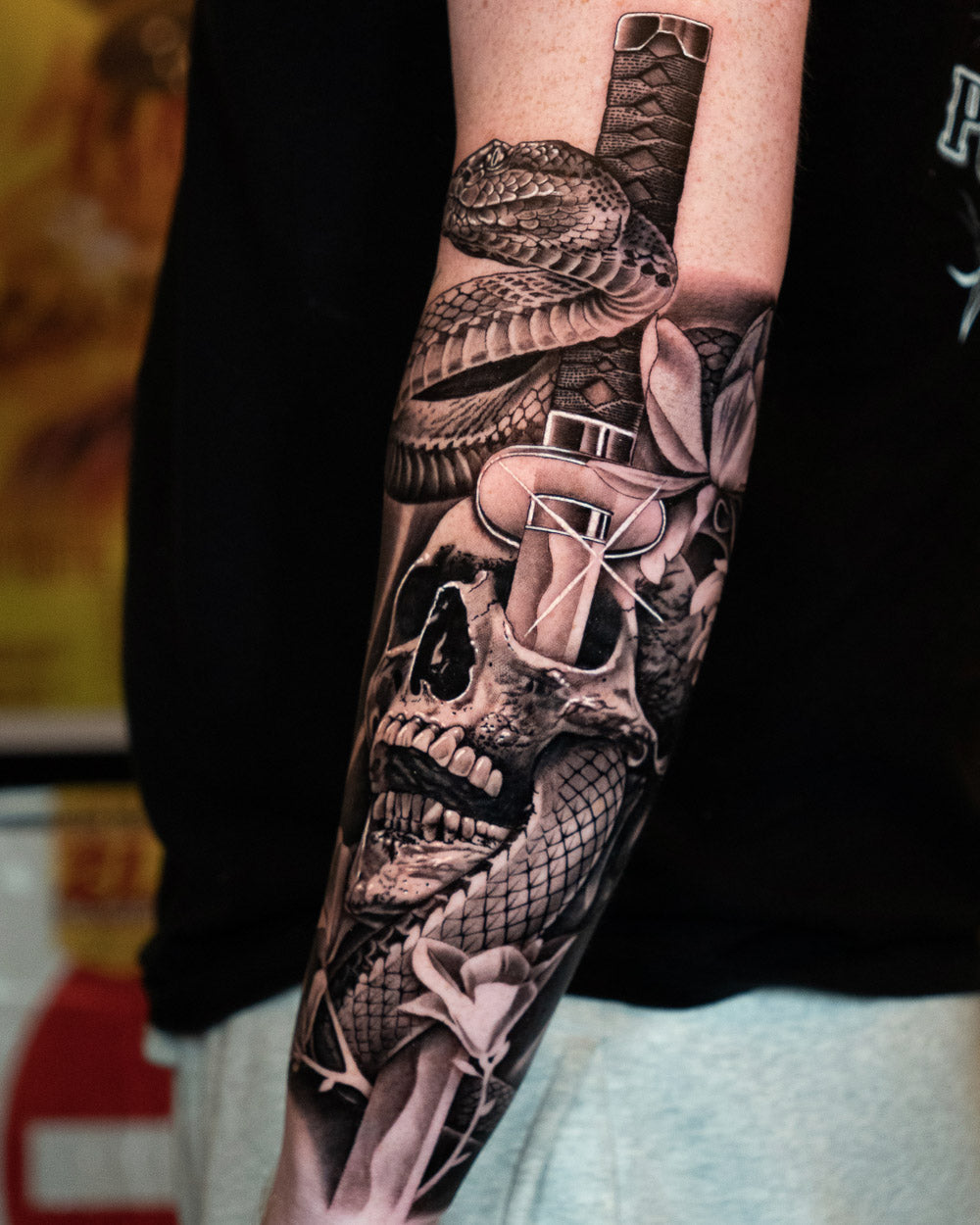
Something happens when life shifts dramatically. The person who spent twenty years in corporate conformity retires and suddenly wants a sleeve. The newly divorced professional decides it's finally time for the back piece they imagined at twenty-five. The cancer survivor feels compelled toward work that matches the scale of their experience.
This isn't coincidence. Significant transformation often requires significant acknowledgment. Small tattoos can feel inadequate to major experiences. The impulse toward scale reflects genuine psychological truth: life-altering events want life-altering commemoration.
Major life changes often unlock permission that was previously withheld:
What changes isn't desire but permission. Decades of suppressed interest often emerge as ambitious projects. Identity shifts also play a role. When who you fundamentally are has changed, external markers of the old identity feel wrong. The person you're becoming wants different skin.
Large tattoo projects require sustained commitment:
People in stable life chapters often find room for this commitment where previous circumstances didn't allow it. The career demands that prevented extended appointments ease. Financial stability accumulates after years of building. Scheduling flexibility appears where none existed before.
The impulse toward significant work during significant change deserves respect, but timing still matters. Ideas conceived in transition benefit from settling time. What feels essential during upheaval may refine as new stability develops. The desire for scale is often genuine; the specific vision may still be emerging.
Channel the impulse into planning rather than immediate execution. Research artists. Explore styles. Develop concepts. This process honors the desire while allowing clarity to develop.