- by 46 Tattoo
How Weight Fluctuations Affect Tattoos
- by 46 Tattoo
Bodies change. Here's how weight fluctuation actually affects tattoos, which placements handle change well, and what to consider.

Your body at forty won't be your body at twenty-five. Weight gain, weight loss, pregnancy, fitness phases, aging itself. Tattoos exist in this context of inevitable change. The question isn't whether your body will change but how those changes will interact with ink already in your skin.
The good news is that moderate fluctuations have less impact than people fear. Skin is remarkably elastic. Gradual changes allow adaptation. The horror stories usually involve extreme cases: 100+ pound swings, pregnancy on small torsos, dramatic bodybuilding transformations.
Some body areas remain relatively stable through weight fluctuation:
Other areas respond more dramatically:
These high-variability zones don't prohibit tattoos but warrant consideration about placement within them and design choices.
Certain designs handle distortion better than others:
Scale also provides protection. Larger designs with generous spacing between elements can absorb some change without obvious impact. Small, detailed work in high-fluctuation areas may blur together as skin stretches.
If you're planning significant weight loss, consider waiting. Skin that will contract substantially may affect fresh tattoos during healing and settling. Completing your transformation first allows tattooing on stable terrain.
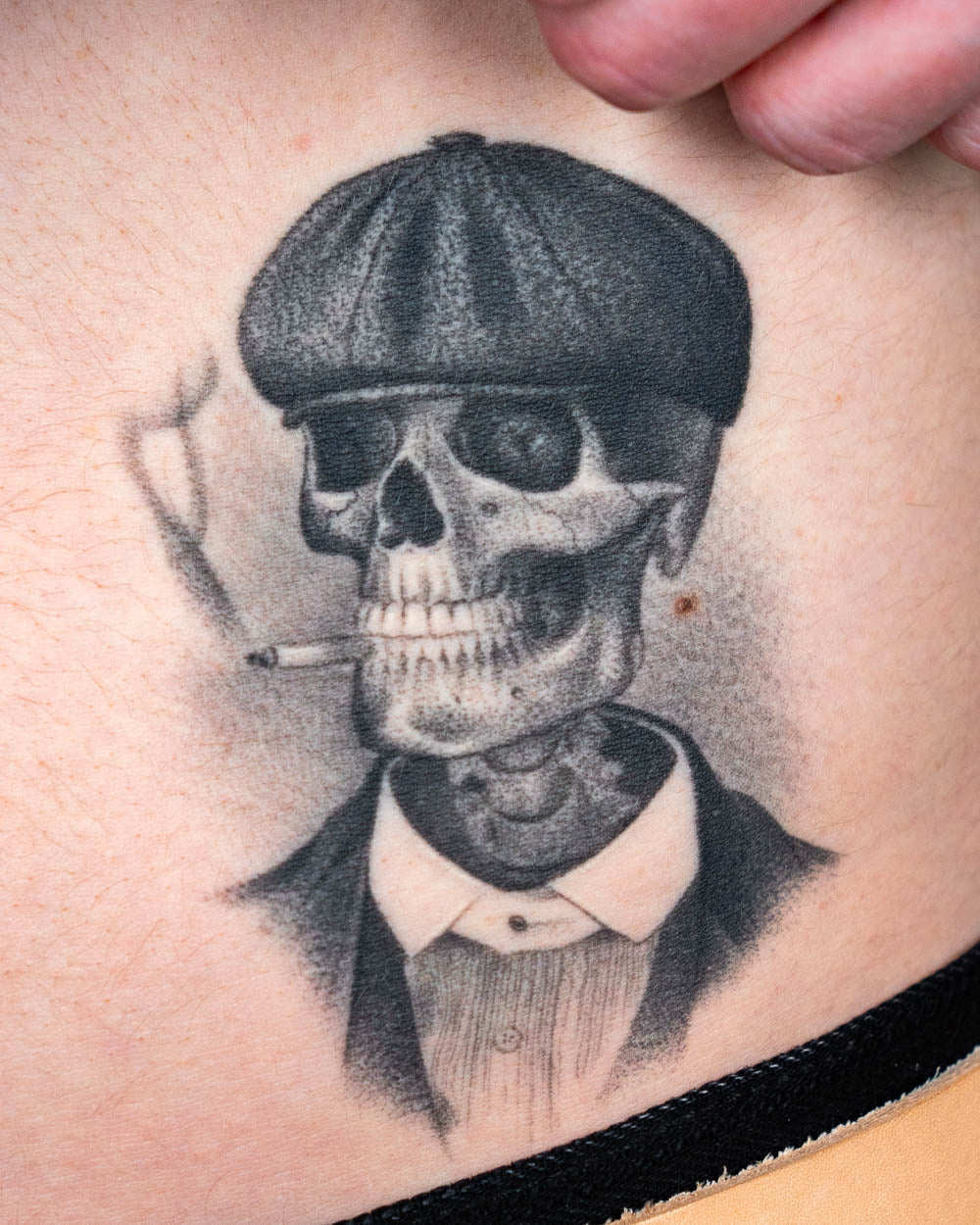
If pregnancy is possible, understand that abdominal and rib tattoos will stretch and may not fully return. Hip and lower belly work is particularly affected. This isn't a prohibition but an informed choice.