- by 46 Tattoo
How to Tell if a Tattoo Artist is Actually Good
- by 46 Tattoo
How to evaluate tattoo artist skill beyond social media hype: line quality, saturation, healed work, and professionalism markers.

A popular social media presence doesn't guarantee quality. Some of the best artists have modest followings. Some heavily promoted artists produce mediocre work. Learning to evaluate actual skill protects you from regret.
Here's how to look past the marketing and assess real ability.
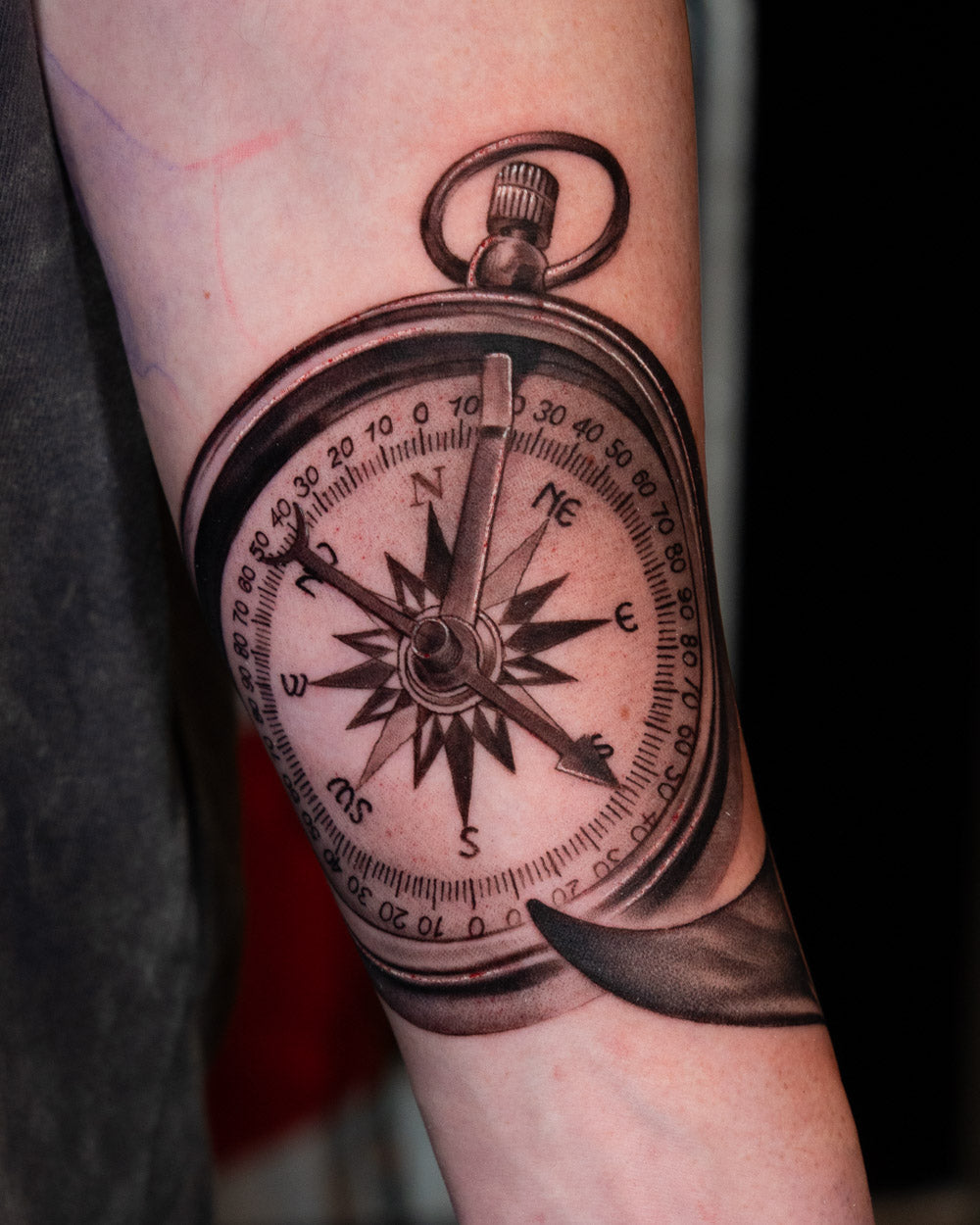
Lines are the foundation. Look closely at portfolio images for:
Shaky, inconsistent lines indicate lack of experience or poor technique. Even simple designs should have clean, confident linework.
Solid areas should be solid. Look for:
Patchy color or uneven shading often looks worse after healing. If fresh work already shows problems, healed work will be worse.
Fresh tattoos are forgiving. Redness and swelling mask imperfections. Healed work reveals true quality.
Ask any artist you're considering to show healed photos. Good artists are proud to show their work at 6 months or 2 years. If they only have fresh photos, be cautious.
In healed work, look for:
Great realism artists might struggle with traditional. Amazing Japanese artists might not do fine line well. Look for artists who specialize in your desired style with deep portfolios in that area.
Technical skill is only part of it. Good artists also:
An artist who's difficult to work with or dismissive of your input will make the whole experience stressful, regardless of skill.