- by 46 Tattoo
Divorce, Loss, and Reinvention Tattoos
- by 46 Tattoo
Major life disruption triggers tattoo impulses. Here's how to channel transformation into meaningful work without emotional regret.

Divorce finalizes. A parent dies. A career ends unexpectedly. In these moments, people feel compelled toward visible change. New haircuts. Dramatic moves. And frequently: tattoos. The impulse makes psychological sense. External transformation mirrors internal upheaval. Permanent marks on the body reflect permanent changes in life.
This impulse isn't inherently misguided. Some of the most meaningful tattoos mark genuine transformation. But the timing matters enormously. Decisions made in emotional turbulence often satisfy different needs than those made from stable ground.
Grief, anger, and relief all distort judgment:
Six months to a year of distance typically clarifies. Ideas that persist through this period represent genuine lasting desires. Ideas that fade were reactions to specific moments rather than permanent preferences.
Some transformation tattoos benefit from deliberate timing:
People who've processed their transformation already often know exactly what they want. The concept has clarified over time. The design emerged from reflection rather than reaction.
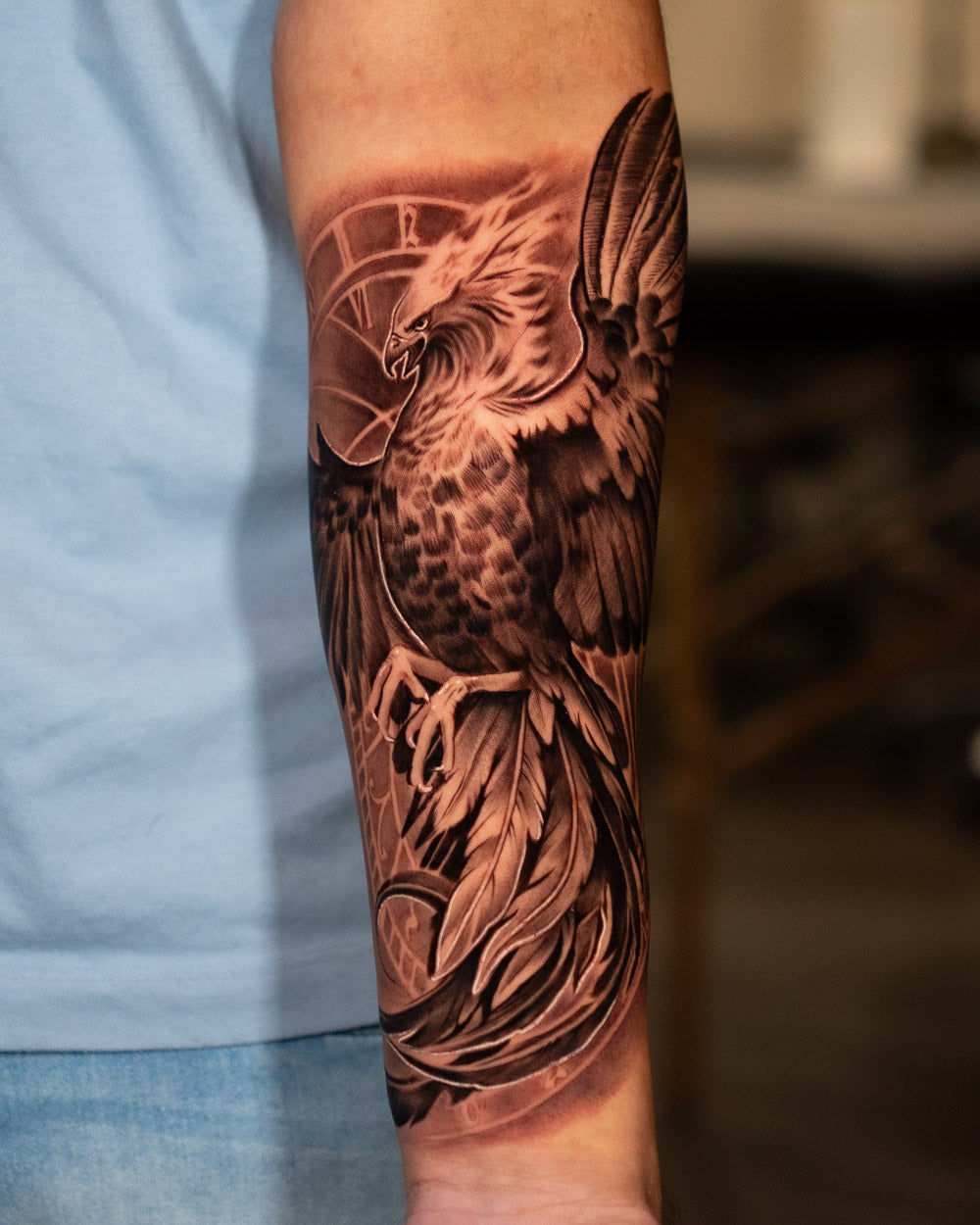
Classic transformation symbols exist for good reasons. The phoenix rising from ashes. The snake shedding old skin. The butterfly emerging from its chrysalis. These aren't cliches; they're archetypes that have resonated across cultures for millennia because they genuinely capture the experience of fundamental change.
The question isn't whether these symbols are original but whether they genuinely represent your experience. Personalizing universal symbols through unique artistic interpretation creates work that carries archetypal power while feeling distinctly yours.