- by 46 Tattoo
Commemorative Tattoos: Done Right
- by 46 Tattoo
Commemorative tattoos honor meaning through quality design. Here's how to approach memorials and milestones without future regret.

The impulse to mark significant life moments with permanent ink runs deep across cultures. Polynesian societies tattooed rites of passage that encoded family lineage and social status. In Edo-period Japan, firefighters covered themselves in dragon tattoos as spiritual protection against flames, believing these sea creatures could shield them from fire. Russian prisoners developed elaborate coded systems where each image communicated criminal rank and history. The desire to commemorate through body art isn't modern sentimentality; it's human nature.
But meaning alone doesn't guarantee successful tattoos. The most heartfelt memorial becomes a source of regret when design fails or execution falls short. The challenge is honoring significance while respecting the medium's constraints.
Grief distorts judgment. The weeks after losing someone, ending a relationship, or experiencing major change are often when commemorative tattoo impulses peak. They're also the worst time to make permanent decisions. Emotional intensity doesn't translate to design clarity. What feels essential during crisis may feel different from stable ground.
The conventional wisdom suggests waiting 6-12 months after significant events before committing. Ideas that persist through this period tend to be genuine. Ideas that fade were reactions to moments rather than lasting desires. The meaning you want to honor isn't going anywhere; the design decision can wait until clarity returns.
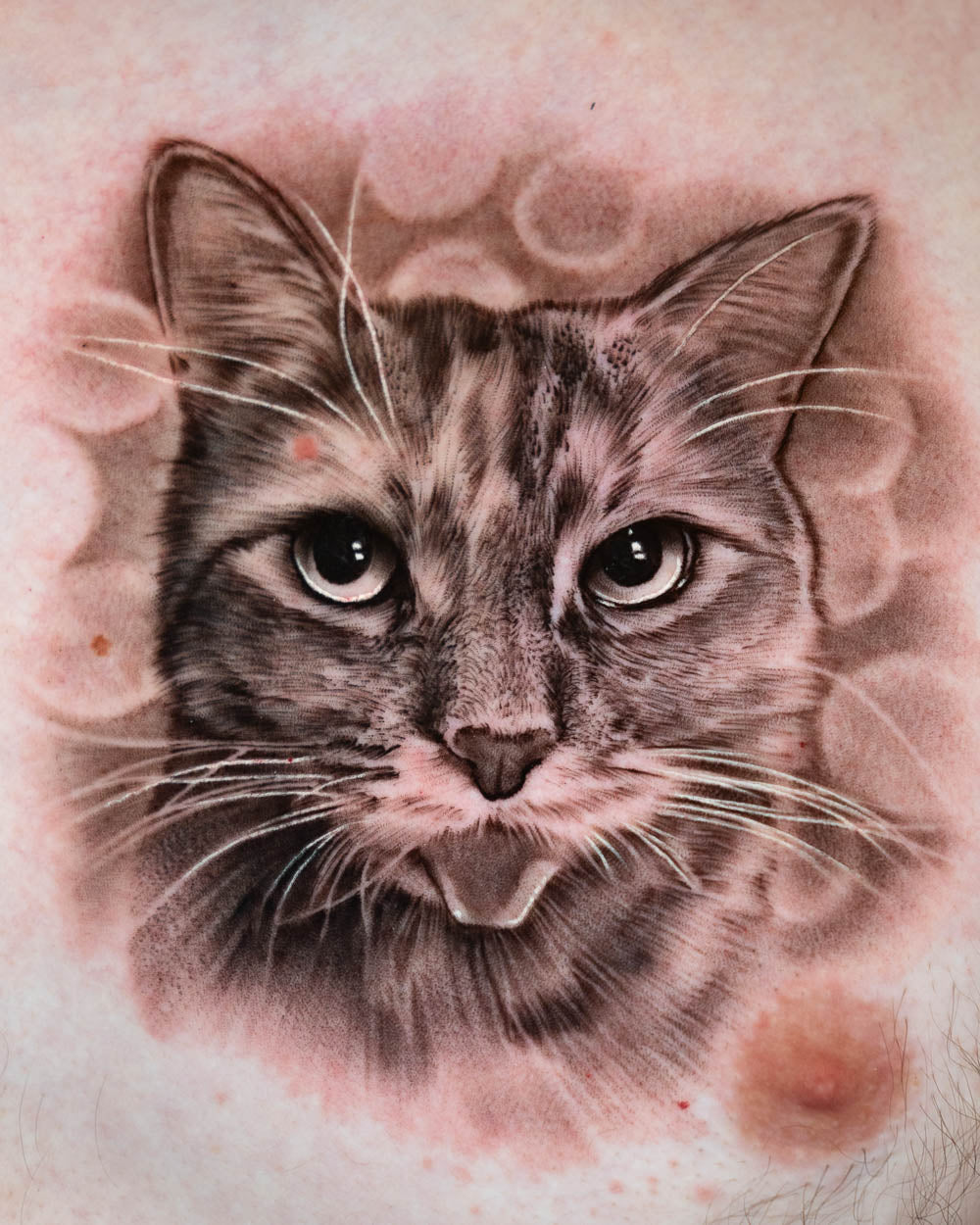
Portrait tattoos carry the highest regret risk in commemorative work:
Consider what represented your relationship rather than what the person looked like. The bird that appeared every morning at their window. The flower from their garden. The book they always carried. These evocations often age better emotionally than faces, and they're far less technically risky. They also offer privacy: not everyone wants to explain their grief to strangers.
A memorial tattoo executed poorly dishonors the subject more than no tattoo at all. Cutting corners because the meaning is personal makes no sense. If anything, commemorative work deserves higher investment in quality because it carries heavier significance.
This means: